Exposition Art Blog

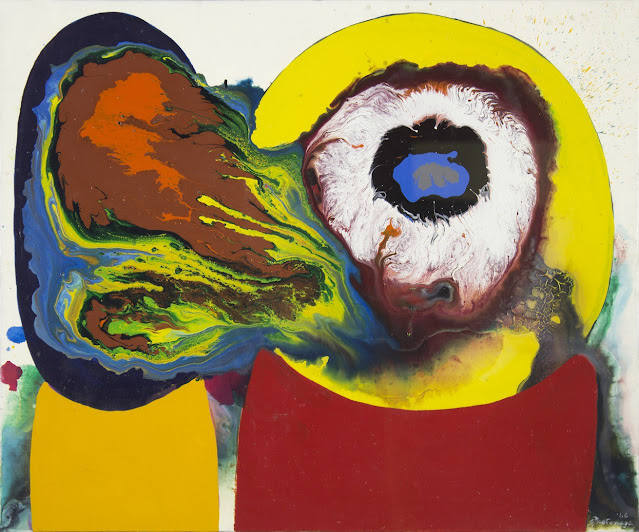
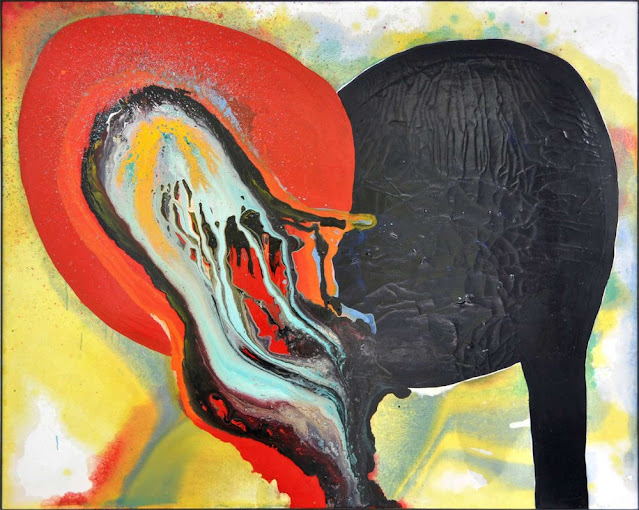
Sadamasa Motonaga - Gutai Group


 Sadamasa Motonaga (Japanese, 1922–2011) was a Japanese abstract painter and a founding member of the avant-garde Gutai group. He was born on November 26, 1922 in Mie Prefecture, Japan and initially sought to be a cartoonist before turning his attention to painting, studying under the tutelage of Jiro Yoshihara. A pronounced sense of humor remained in his work throughout his lengthy career, creating paintings which are characterized by simple lines and a gentle palette of muted primary colors. Motonaga gradually expanded his practice to include printmaking, stage design, and children’s books, all while continuing his ongoing elliptical investigation into abstract painting. His awards include the Légion d’Honneur from the French government and the Japanese Purple Ribbon Award; he was the first abstract artist to receive the latter. He died on October 3, 2011 in Kobe, Japan, and his work has been the subject of many retrospectives, including at Hyogo Prefectural Museum of Art in Kobe in 1998, Hiroshima City Museum of Contemporary Art in 2003, and the Mie Prefectural Museum of Art in 2009. The first Western retrospective of his work was held at the Dallas Museum of Art in 2014.(artnet.com)



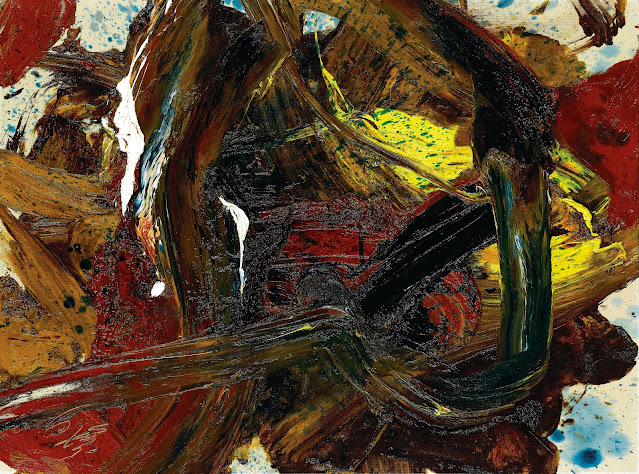
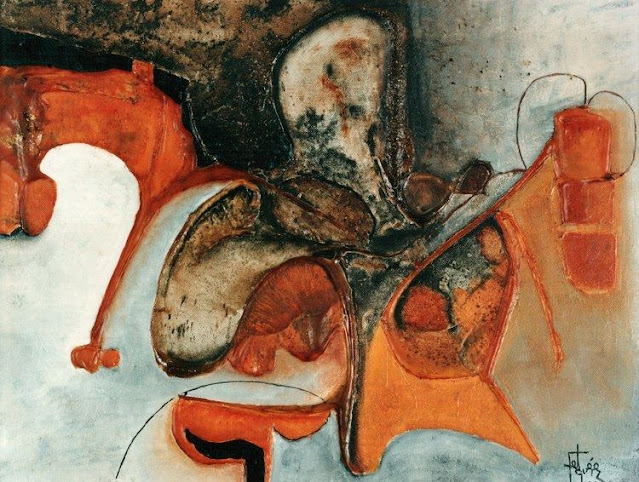
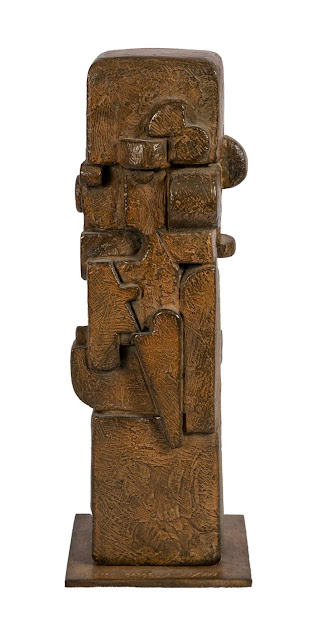
Manuel Felguérez Barra


 Manuel Felguérez Barra (1928 – 2020) was a Mexican abstract artist, part of the Generación de la Ruptura that broke with the muralist movement of Diego Rivera and others in the mid 20th century.
"Painter and sculptor. In the late forties, he studied at the San Carlos Academy in Mexico City. At the beginning of the fifties, thanks to a scholarship from the French government he traveled to Paris where he studied at the Academy de la Grande Chaumier and at the Colarossi Academy. There he perfected his sculptural work with the master Ossip Zadkine, whose work will influence the young Felguérez. In the mid-fifties he became one of the pioneers of the Abstract trend, provoking a true renewal of the Mexican visual arts landscape in the second half of the XX century. Between 1965 and 1990 he developed an intense teaching and research work that took him to Cornell University and Harvard University in the United States. He tought Composition Classes in the National School of Plastic Arts and 1977 he became a researcher at the Institute of Aesthetic Research at UNAM. The work of Felguérez poses a dialectic between abstraction and expression. His paintings articulate geometric figures as squares, triangles, circles or rectangles, that collides with the imprint of an expressive Informalism charged with gestural spontaneity."(durbansegnini.com)


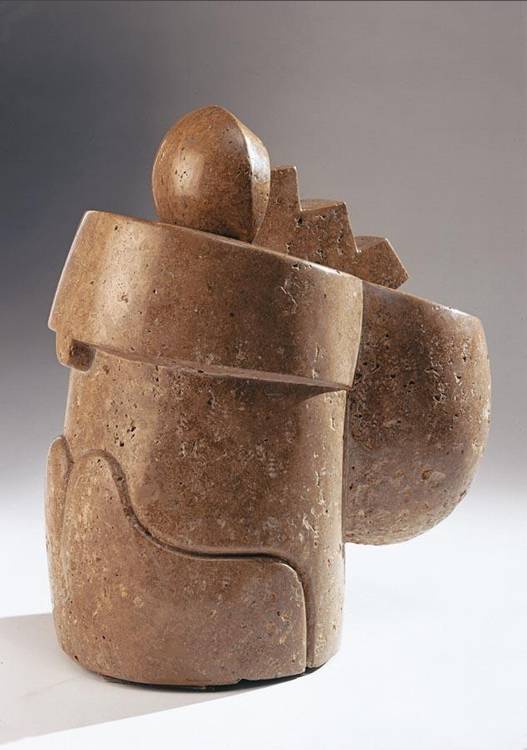
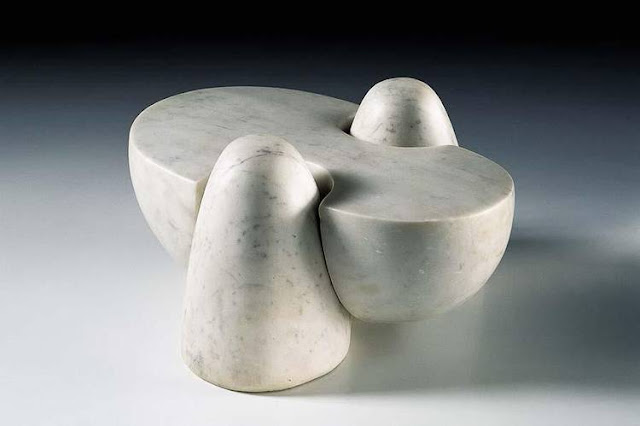
Pietro Cascella


Pietro Cascella ( 1921– 2008) was an Italian sculptor. His principal work consisted of large monumental sculptures, including the International Monument to the Victims of Fascism in the Auschwitz II-Birkenau death camp in Poland (1957–1967), and an underground mausoleum for Silvio Berlusconi at his villa in Arcore in the 1980s


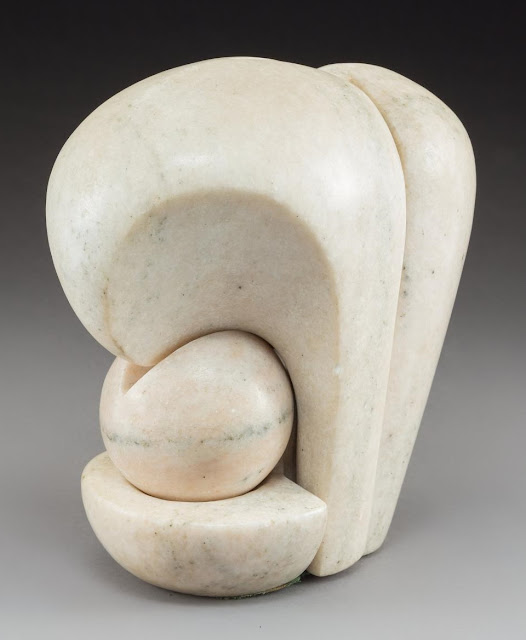
Andrea Cascella


Andrea Cascella was a sculptor, painter and ceramist. He was the son of Thomas and nephew of Michael. Like his brother Peter, he established himself as a sculptor, at first thanks to a collaboration with Domenico Rambelli, although at first he dabbled in painting and ceramics. Among his positions include the direction of the Academy of Brera.

During the war years he was active in the Resistance in Garibaldi Ossola formations as a training commander. He attended the Osteria Brothers' Menghi, a known meeting place for painters, directors, screenwriters, writers and poets from the '40s and' 70s. In 1949 he exhibited his works at his first, at the Obelisk Gallery in Rome, then attend the Biennale, the Grosvenor Gallery in London, the New York Guggenheim museum and many Milanese personal.In the early sixties his high reliefs date back to the Olivetti structure of Dusseldorf and the bas-relief to that of Buenos Aires. European exponent of abstract art, among his finest works include the War Memorial of Auschwitz, which he designed with his brother Peter, after winning the competition for the Monument to the Unknown Political Prisoner in 1958. He made various appearances at the Venice Biennale, in which he was awarded in 1964, and commissioner in 1972. 


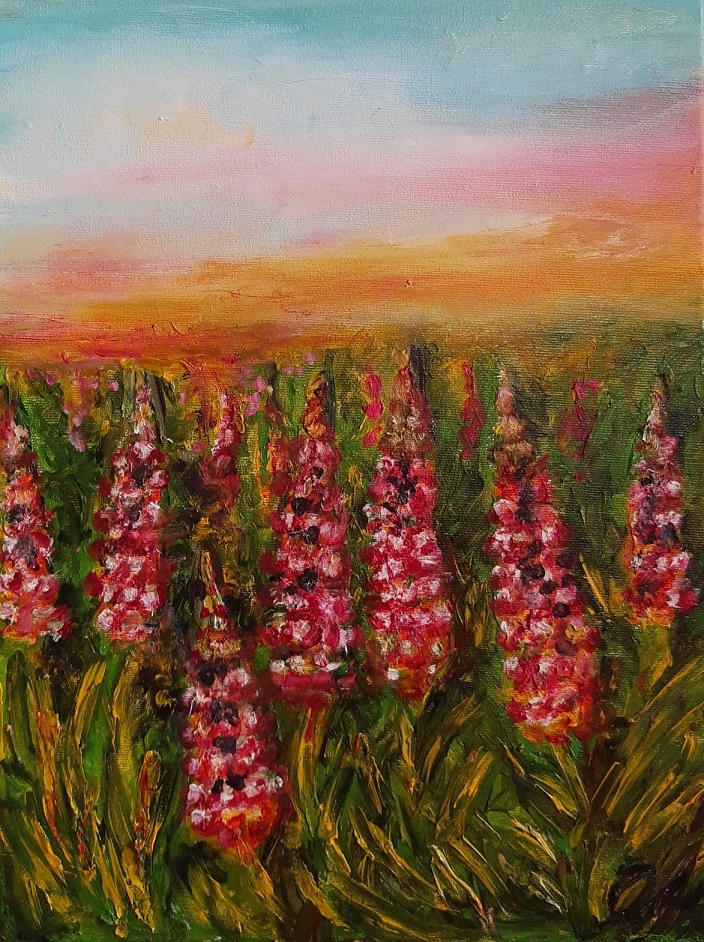
Wild Flowers


 Milena Olesinska - Wild Flowers - Camomiles,Poppies,Lupine

oil paintings on canvas 40cm 30cm

My Website