Exposition Art Blog: Installation art
Showing posts with label Installation art. Show all posts

Susan Hiller


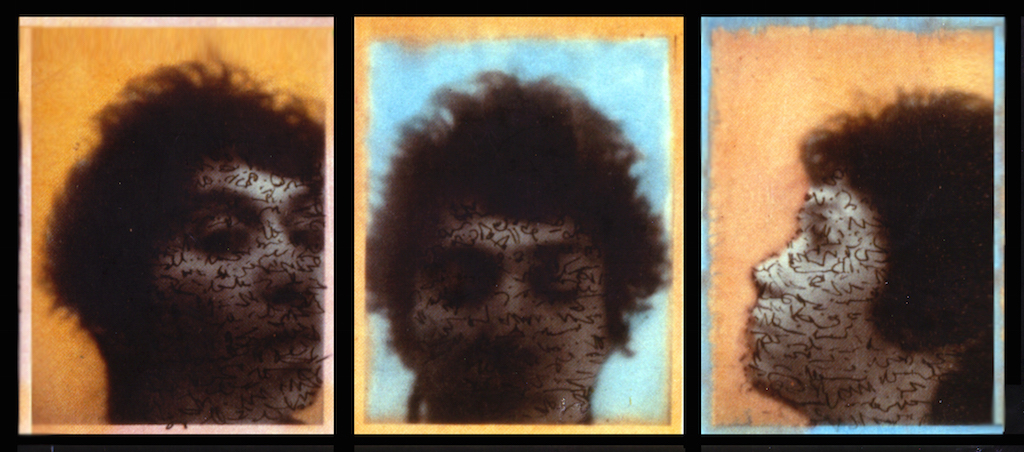
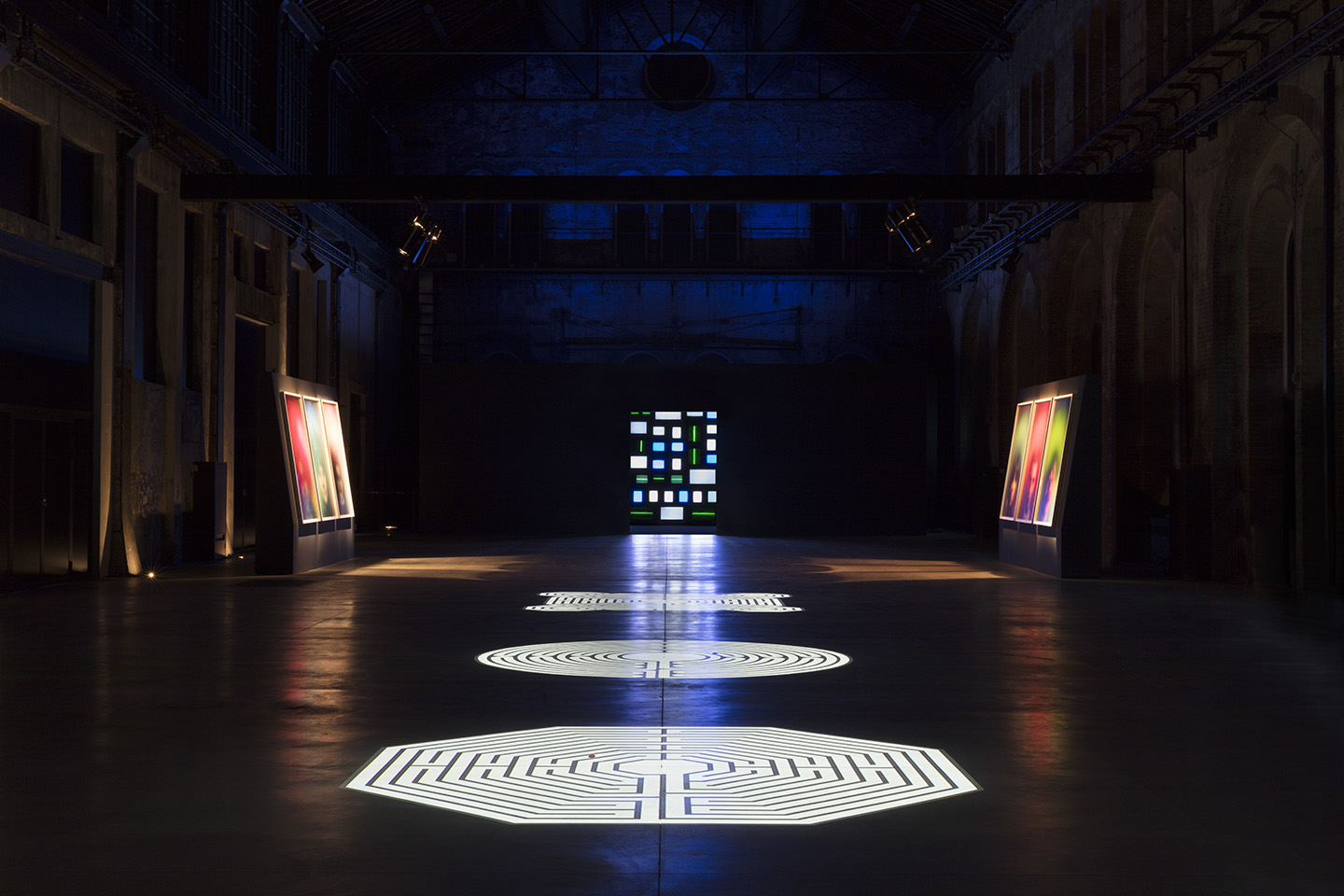
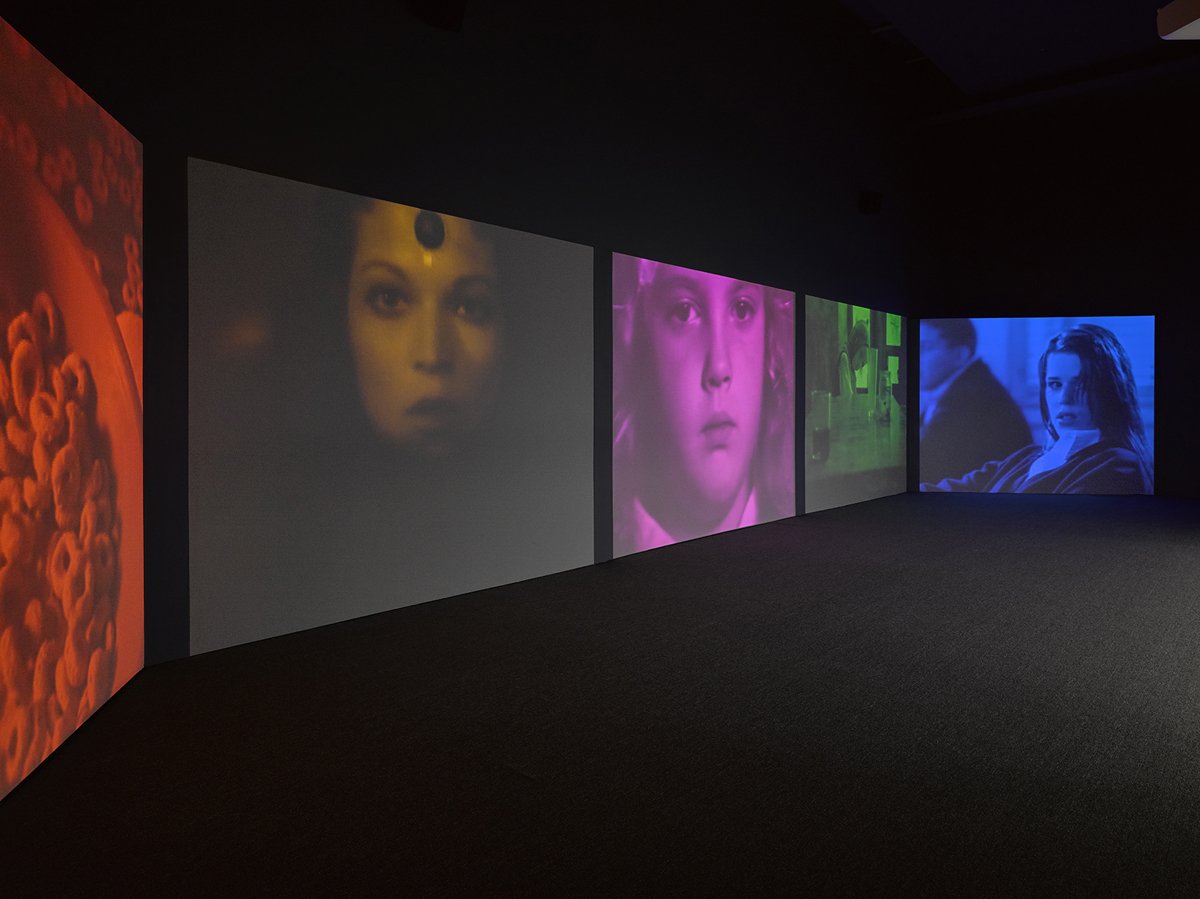
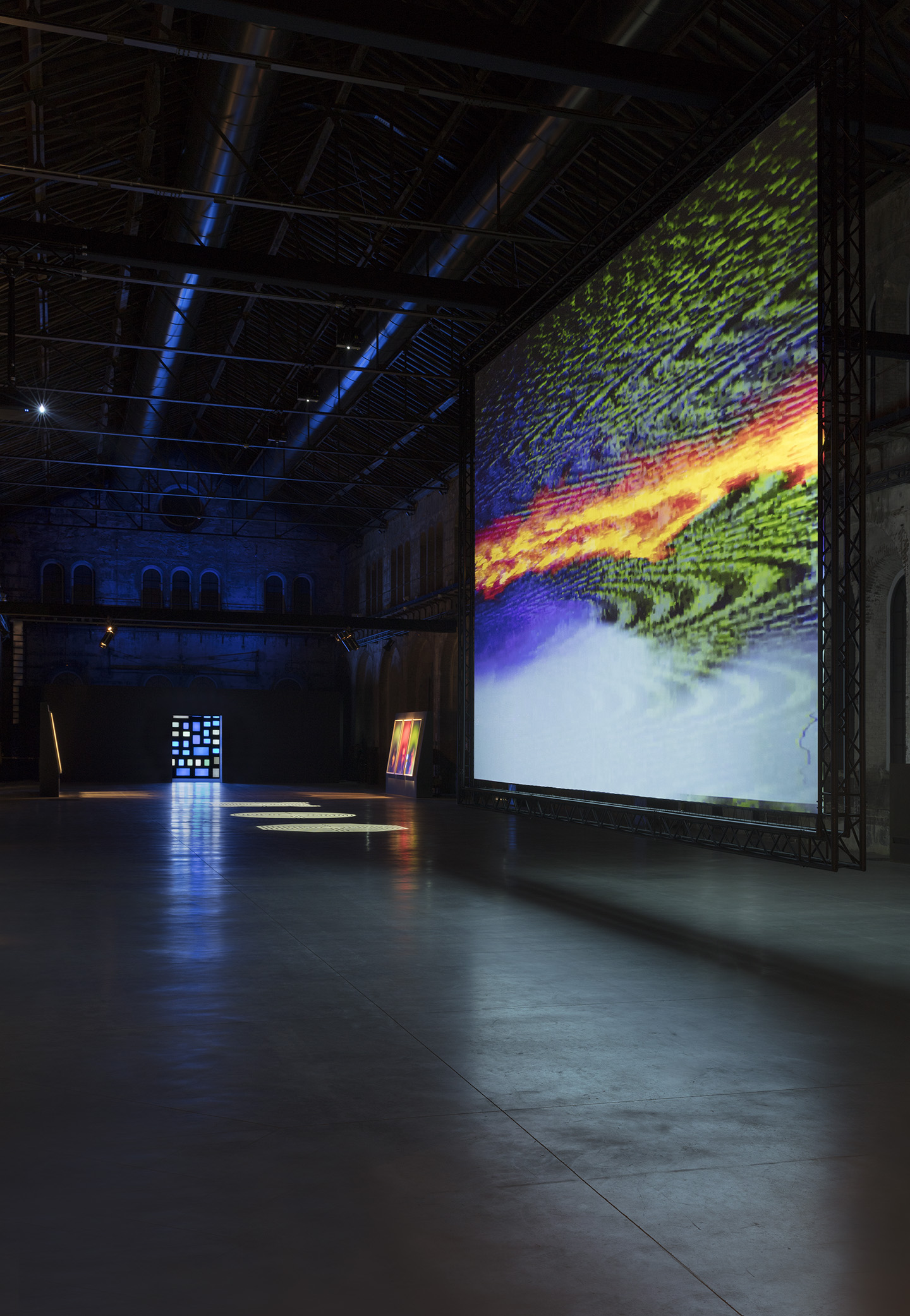
 "With a multimedia practice extending over 40 years, Susan Hiller was one of the most influential artists of her generation. Since first making innovative use of audio and visual technology in the early 1980s, her groundbreaking installations, multi-screen videos and audio works have achieved international recognition. Each of Hiller’s works is based on specific cultural artefacts from our society, which are used as basic materials. Many pieces explore the liminality of certain phenomena including the practice of automatic writing (Sisters of Menon, 1972/79), near death experiences (Channels, 2013) and collective experiences of unconscious, subconscious and paranormal activity (Belshazzar’s Feast, 1983-4; Psi Girls, 1999; Witness, 2000). Hiller’s powerful and resonant films range from the J Street Project (2002-05), a chillingly extensive search for every street sign in Germany bearing the word Juden (Jew), to The Last Silent Movie (2007), which also documents disappearance and absence, although this time through speech recordings of dying or extinct languages. Her psychologically charged and thematically varied practice amounts to an impassioned plea for the joys and mysteries associated with irrationality.
Susan Hiller (1940-2019) was born in Tallahasse, Florida. After graduating from Smith College in 1961, she went on to do doctoral studies in anthropology at Tulane University in New Orleans with a National Science Foundation fellowship. However she abandoned anthropology to become an artist, and from the mid ‘60s was based mainly in London. Her career has been recognised by major solo and survey exhibitions at institutions including Bloomberg SPACE, London, UK. "(lissongallery.com)


Robert Morris - Conceptual Art


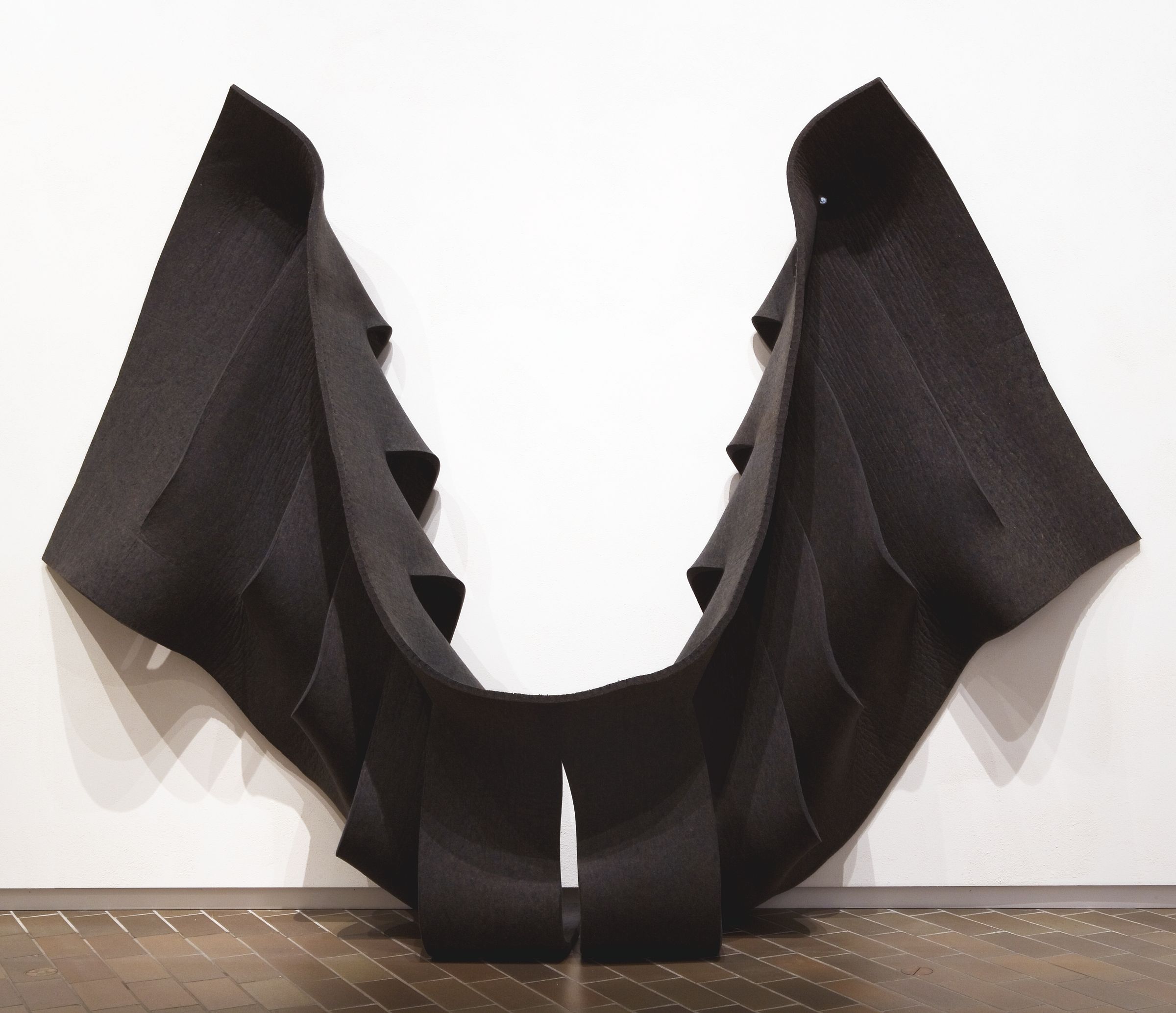
 Robert Morris (1931 - 2018 )was an American sculptor, conceptual artist and writer. He was regarded as having been one of the most prominent theorists of Minimalism along with Donald Judd but he also made important contributions to the development of performance art, land art, the Process Art movement, and installation art. Morris lived and worked in New York. In 2013 as part of the October Files, MIT Press published a volume on Morris, examining his work and influence, edited by Julia Bryan-Wilson
"Robert Morris has comported himself for decades as the least minimal of the original minimalists. While sharing most of the core group’s characteristics — including the complementary artist/writer mode — he has in both word and deed proved more committed than the others to contingency and experimentation. Alternating, often abruptly, between cool objects and evocations of calamity, his artistic outlook remains — as the spot-on title of his collected writings suggests — a Continuous Project Altered Daily. Though no slouch when it comes to minimal severity, his thinking often drifts closer in sensibility to Robert Smithson’s macro riffing than to Donald Judd’s ideological finalities.Minimalist theory made much of the viewer’s movement through space as part of what defined the sculptural. Morris, having come to this notion following a wider path of study than the others — a path that included engineering, art history, philosophy, and dance — found ways to follow intuitive offshoots that generated outward from minimalism’s basic premise. He took labyrinths and passageways, which were favored minimalist tropes, and superseded their phenomenological values with emotionally charged contexts that included prison architecture and Midwestern stockyards. Thus the jarring incongruence — to cite an extreme example — between his ascetic, process-oriented felt hangings of the 1970s and the apocalyptic Firestorm reliefs that soon followed. Keeping to a highly subjective route, he seems able to shuttle convincingly between the austere space of the artistically reductive and the emotionally charged arena of darker human experience, discovering along the way many disturbing links between the two."(hyperallergic.com)


Chohreh Feyzdjou - Post-apocalyptic Installation - “Product of Chohreh Feyzdjou”


 Chohreh Feyzdjou (1955 – 1996) was an Iranian artist"Chohreh Feyzdjou grew up in Iran in a Jewish family of intellectuals,and moved to Paris in 1975. It was here that she completed her artistic training at the École nationale supérieure des Beaux-Arts, and also learned about the Kabbalah and Sufism. Her untimely death in 1996 put an abrupt end to a unique body of work, which had only just begun to be exhibited in major museums across Europe. Feyzdjou made her name at the start of the 1990s with a vast corpus of objects culled from her atelier and from her past, among them drawings and paintings, all of which she covered with a more or less diffuse layer of black pigment. Each one was carefully catalogued, stored in boxes, in glass jars, in crates and trunks, or wrapped in plastic, put in tubes, stocked on shelves or tables, and in drawers or on scaffolding which were themselves covered in black pigment. Nothing remains identifiable apart from the fact that each element bears the archive reference, “Product of Chohreh Feyzdjou”. While this installation may bring to mind a post-apocalyptic catastrophe, its presentation also evokes the stalls full of goods that can be found in grocery stores and bazars across the Middle East."(awarewomenartists.com)