Exposition Art Blog: Italian artist
Showing posts with label Italian artist. Show all posts

Enrico Donati - Masters of Surrealism


 Enrico Donati studied economics at the Università degli Studi, Pavia, and in 1934 moved to the USA, where he attended the New School for Social Research and the Art Students League of New York. His first one-man shows were in New York in 1942, at the New School for Social Research and the Passedoit Gallery. At this stage he was clearly drawn to Surrealism. This was reinforced by meeting André Breton and coming into contact with Marcel Duchamp and the other European Surrealists in New York at the time.
"During the early 1940s, Donati made Surrealist paintings in an abstract biomorphic style that astonish the eye and boggle the mind. Trouble-fête (Killjoy), from 1944, is typical of his work in this early period. In this strange and intricate composition, weird protoplasmic entities loom up out of the darkness, some of the them glowing with bioluminescence like deep-sea creatures, others bathed in rainbow hues. The picture space is complex, seemingly three-layered: At the bottom of the canvas is the ocean floor, above it is a landscape receding into the distance, and above that is a black sky. It could be night on earth, or it could be the perpetual blackness of the interstellar void, but really it is inner space. As a glimpse into the unconscious, Trouble-fête is particularly persuasive because instead of stocking its mindscape with conventional pop-Freudian symbols, it confronts us with figures that are individual, idiosyncratic, and baffling.While the painting could be called figurative, Donati is using illusionistic space and carefully rendered surface detail in an essentially abstract way. His figures—more like the distended bladders of Bosch’s hell than anything that might show up to pose in a painter’s studio—at first sight may seem to resemble animals, plants, or people, but upon closer inspection the resemblance melts away. What Donati has given us is the experience of a dream, delivered with the classic Surrealist one-two punch of control and lack of control—polish carefully applied to the wild products of automatism."/artandantiquesmag.com/


Renato Guttuso

 
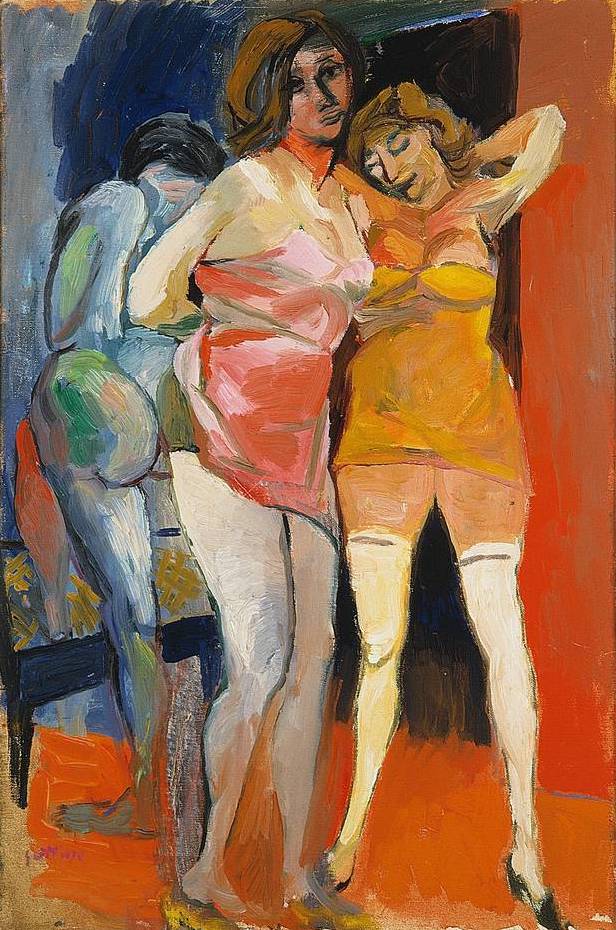
Renato Guttuso (1911-1987) was an Italian artist known for his association with the Socialist Realism movement popular in the Soviet Union. A fervent opponent of Fascism and a devoted communist, Guttuso’s works carried a strong political message, as seen in his troubling Execution by Firing Squad in the Countryside (1938), a painting depicting the violent assassination of the Spanish poet Federico Garcia Lorca by fascist militia. His expressive brushstrokes and rich use of warm reds and browns, can be seen in his painting La Vuicciria (1974), a scene of a bustling market in Palermo. Born on December 26, 1912 in Bagheria, Sicily, he gave up studying law at Palermo University to pursue a career as an artist. Having shown an aptitude for drawing at a young age, his early style reflected the influence of Giorgio de Chirico. The artist went on to exhibit two of his paintings in 1931 at the showcase, Prima Quadriennale d’Arte Nazionale de Roma. Guttuso died January 18, 1987 in Rome at the age of 75. 


Pietro Cascella


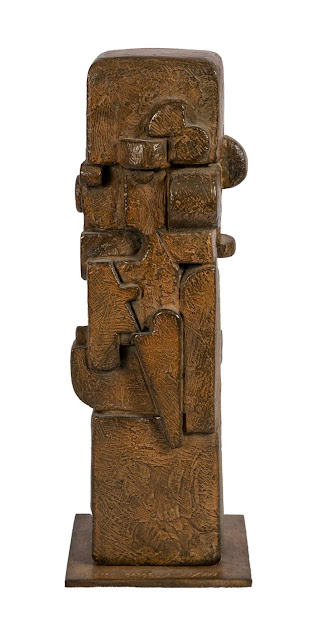
Pietro Cascella ( 1921– 2008) was an Italian sculptor. His principal work consisted of large monumental sculptures, including the International Monument to the Victims of Fascism in the Auschwitz II-Birkenau death camp in Poland (1957–1967), and an underground mausoleum for Silvio Berlusconi at his villa in Arcore in the 1980s


Andrea Cascella


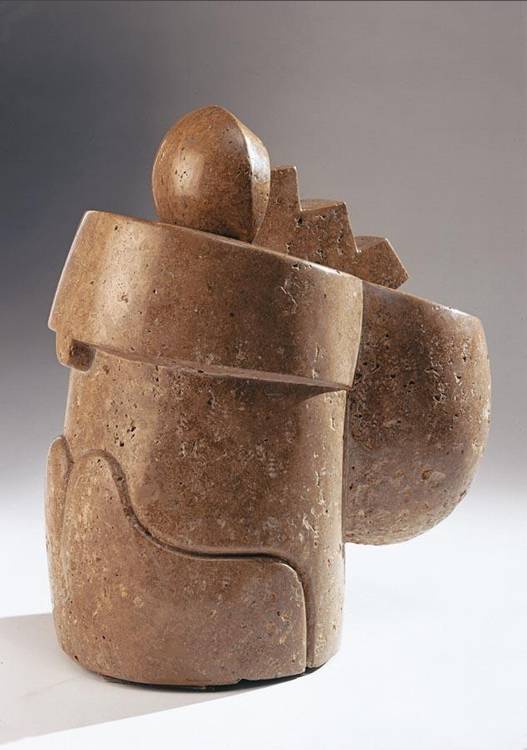
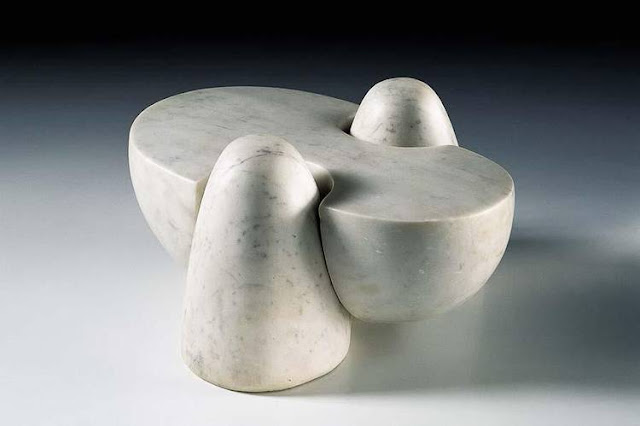
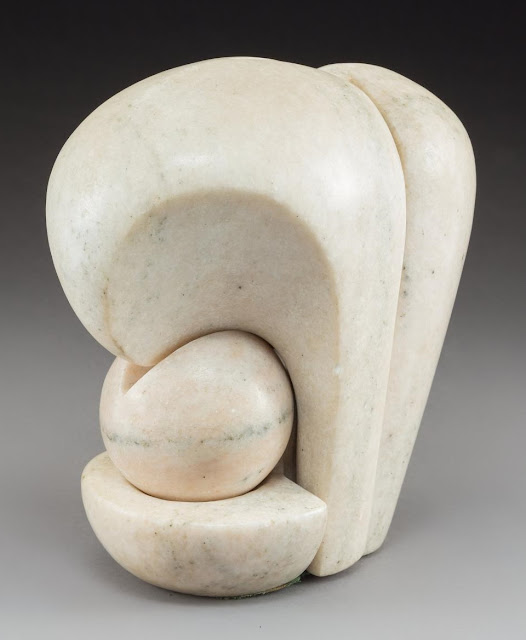
Andrea Cascella was a sculptor, painter and ceramist. He was the son of Thomas and nephew of Michael. Like his brother Peter, he established himself as a sculptor, at first thanks to a collaboration with Domenico Rambelli, although at first he dabbled in painting and ceramics. Among his positions include the direction of the Academy of Brera.

During the war years he was active in the Resistance in Garibaldi Ossola formations as a training commander. He attended the Osteria Brothers' Menghi, a known meeting place for painters, directors, screenwriters, writers and poets from the '40s and' 70s. In 1949 he exhibited his works at his first, at the Obelisk Gallery in Rome, then attend the Biennale, the Grosvenor Gallery in London, the New York Guggenheim museum and many Milanese personal.In the early sixties his high reliefs date back to the Olivetti structure of Dusseldorf and the bas-relief to that of Buenos Aires. European exponent of abstract art, among his finest works include the War Memorial of Auschwitz, which he designed with his brother Peter, after winning the competition for the Monument to the Unknown Political Prisoner in 1958. He made various appearances at the Venice Biennale, in which he was awarded in 1964, and commissioner in 1972.