Exposition Art Blog: European art
Showing posts with label European art. Show all posts

Lino Mannocci


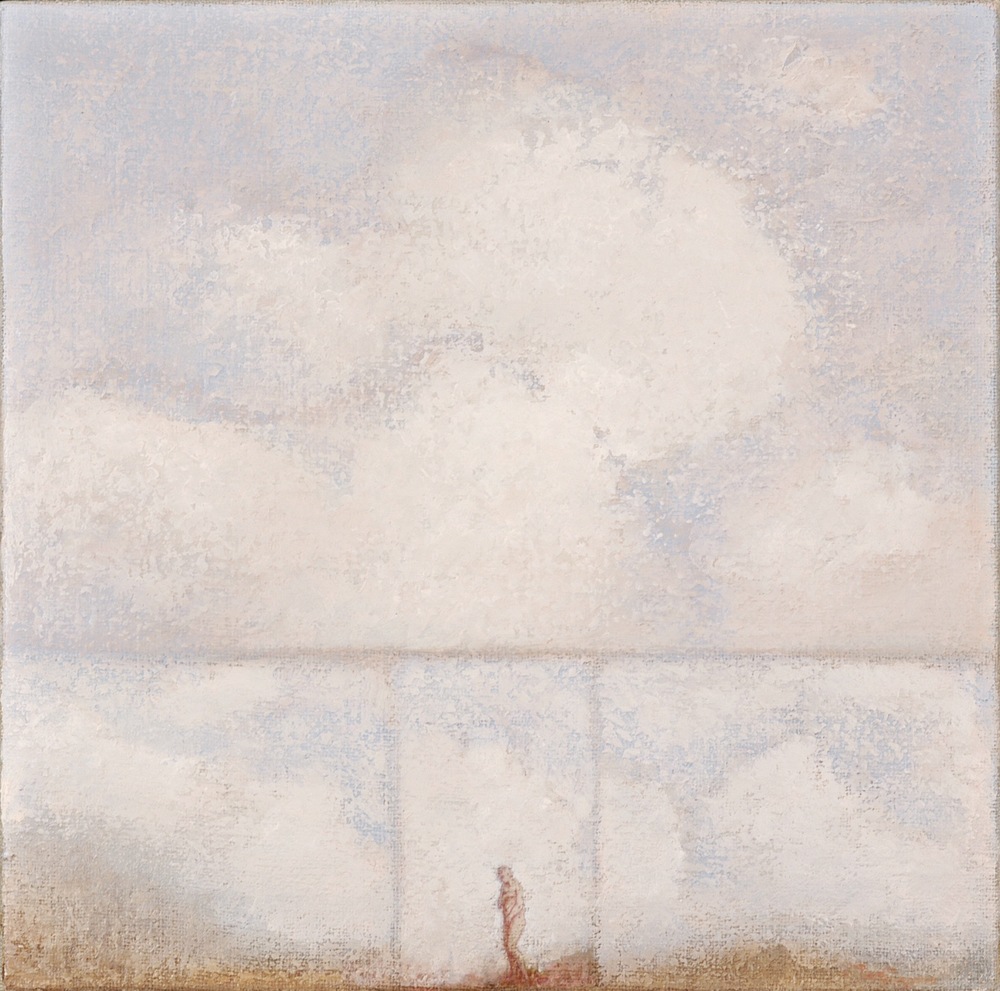
 "Lino Mannocci was born in 1945 - 2021;and was predominantly influenced creatively by the 1960s growing up. Historically established in the context of the Cold War, the 1960s epitomize an extremely powerful era which engendered a significant number of disruptions and challenged the order of all things. In Europe, The Iron Curtain and the Berlin wall would eternally mark people and beliefs, while in the U.S, events such as the Cuban missile crisis and Vietnam war would forever influence generations to come. From education to gender issues and ideologies, a re-definition of social standards in Western society developed, with revolutionary philosophies and movements evolving in a cradle of inventiveness. Honesty and an emptiness of emotions were key concepts in the highly influential movement of Minimalism, represented by artists like Frank Stella, Donald Judd and Agnes Martin. Uninterested in the gestural elements of Abstract Expressionism, Minimalist artists focused on delivering artworks mainly gathering polished, clean lines and geometrical elements. The very first blossoming of Conceptualism was highly influenced by the simplicity of Minimalism but went further in denying all pre-defined conceptions inherent to art, similarly to what Pop Artists were trying to achieve by uplifting popular culture to the status of high art. Several schools of philosophy profoundly influenced creatives, Francis Bacon and Alberto Giacometti were artists fundamentally persuaded by the ideologies of Existentialism, who achieved worldwide success through their depiction of the human form and the anguish often associated with the human condition. globally, an important number of art movements resounded with the radical changes of the 1960s, often prone to their own regional distinctions. In Italy, Lucio Fontana and Piero Manzoni created Spatialism, while in Germany, the Zero group adopted similar ideas under the leadership of Günther Uecker."(artland.com)


Endre Szász


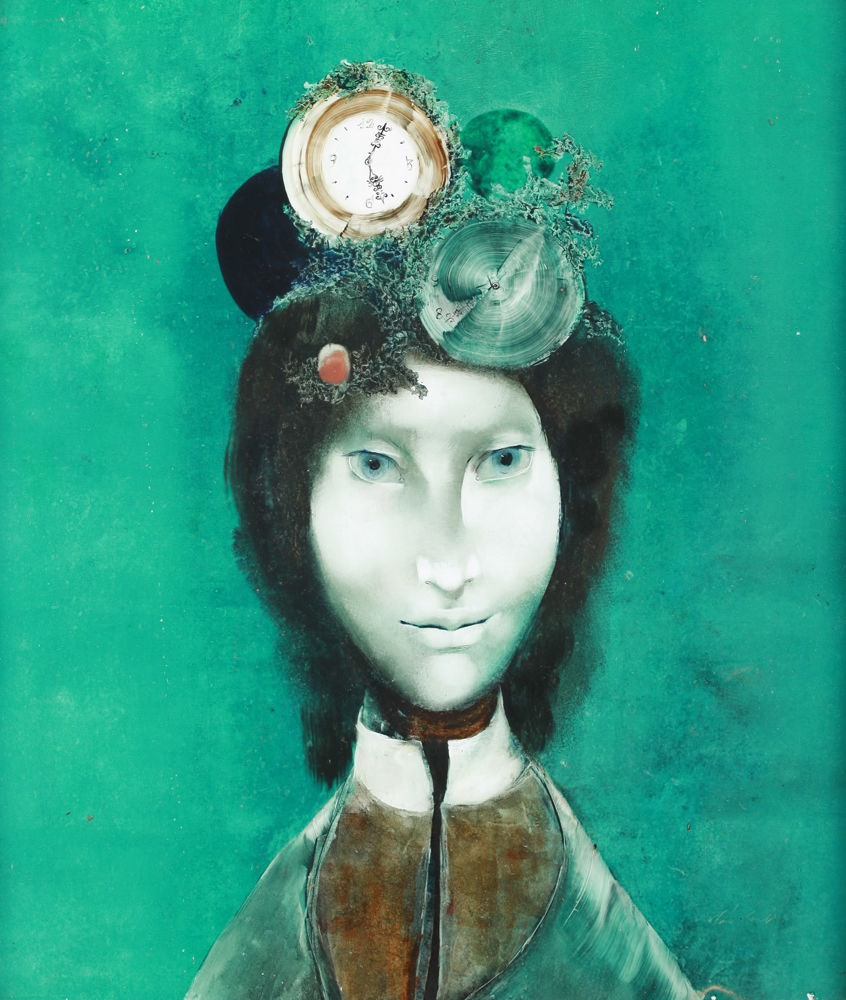
 Endre Szász (1926 – 2003) was a Hungarian graphic artist, printmaker, illustrator, muralist and ceramics decorator. He described himself as a Folk Surrealist.Endre's father, Béla Szász, was a doctor, and he seems to have inherited his artistic ability from his mother's (Erzsébet Susenka) family. He was a natural artist and drew from childhood. He used oil, acrylic, tempera, pencil, ink, charcoal, monotype, drypoint, lithography, etching and aquatint, and painted on several materials, like posters and porcelain. He also had several book illustrations.Between the late 1940s until the late 1960s, Szász worked as an illustrator. During this time, he illustrated a few hundred books. In 1959, he won an illustrator prize in the Leipzig Fair. In 1964 in Britain, he presented his works on Omar Khayyam's Rubaiyat. He had several exhibitions all over the world, including the Museum of Modern Art (Mexico City), Auschwitz Museum (Poland), the Hungarian National Gallery (Budapest), and also exhibited in Madrid, Copenhagen, Brussels, Berlin, Rome, Oslo, Johannesburg, New Orleans, Los Angeles, San Francisco, Budapest, Amman (Jordan) and Tokyo. A Szász original also hangs in La Sebastiana, one of the homes of the famous Chilean poet and diplomat Pablo Neruda. Szász owned a pet ocelot, as had Dali, though it is not certain this was in emulation.Szász lived in Toronto, Canada 1970–1974, then in Los Angeles, California until 1982, when he went back to Hungary


Maria Bartuszova - Transitional Forms


Maria Bartuszova (1936–1996) was a Slovakian sculptor known for her abstract white plaster sculptures.Her work is included in the Centre Pompidou in Paris, the Slovak National Gallery in Bratislava and the Tate in London.
A majority of her sculptures are made of plaster, a material that is preparatory and impermanent by nature. For this reason her sculptures are, by design, tentative, unfinished and transitory. On occasion, when "Bartuszová succumbed to the temptations of using aluminium or bronze, she would immediately undermine their material weight, through either form or subject matter: softening the material, putting it in motion, altering its proportions, and mocking gravity."
Her artworks in the second half of the 1960s were influenced by her individual vision of constructive geometric tendencies connected with new materials such as cut aluminium. In 1976 and 1983, together with art historian G. Kladek, she ran workshops for disabled and visually impaired children. She created sculptures that enabled those unable to see to get to know various forms and textures, to differentiate between geometric and organic forms, to recognise their emotional significance, and to develop an alternative usage of art, with an emphasis on the haptic characteristics of sculpture. Wikipedia