Exposition Art Blog: American visual artist
Showing posts with label American visual artist. Show all posts

Susan Hiller


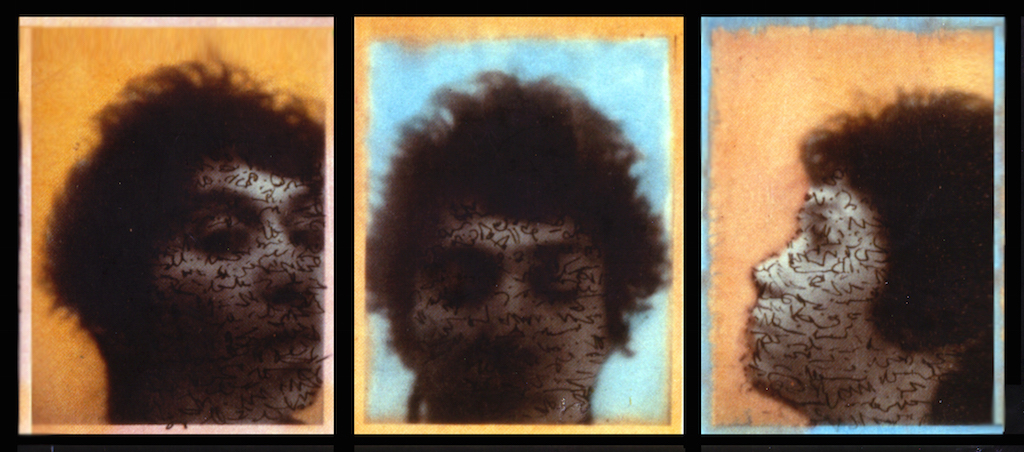
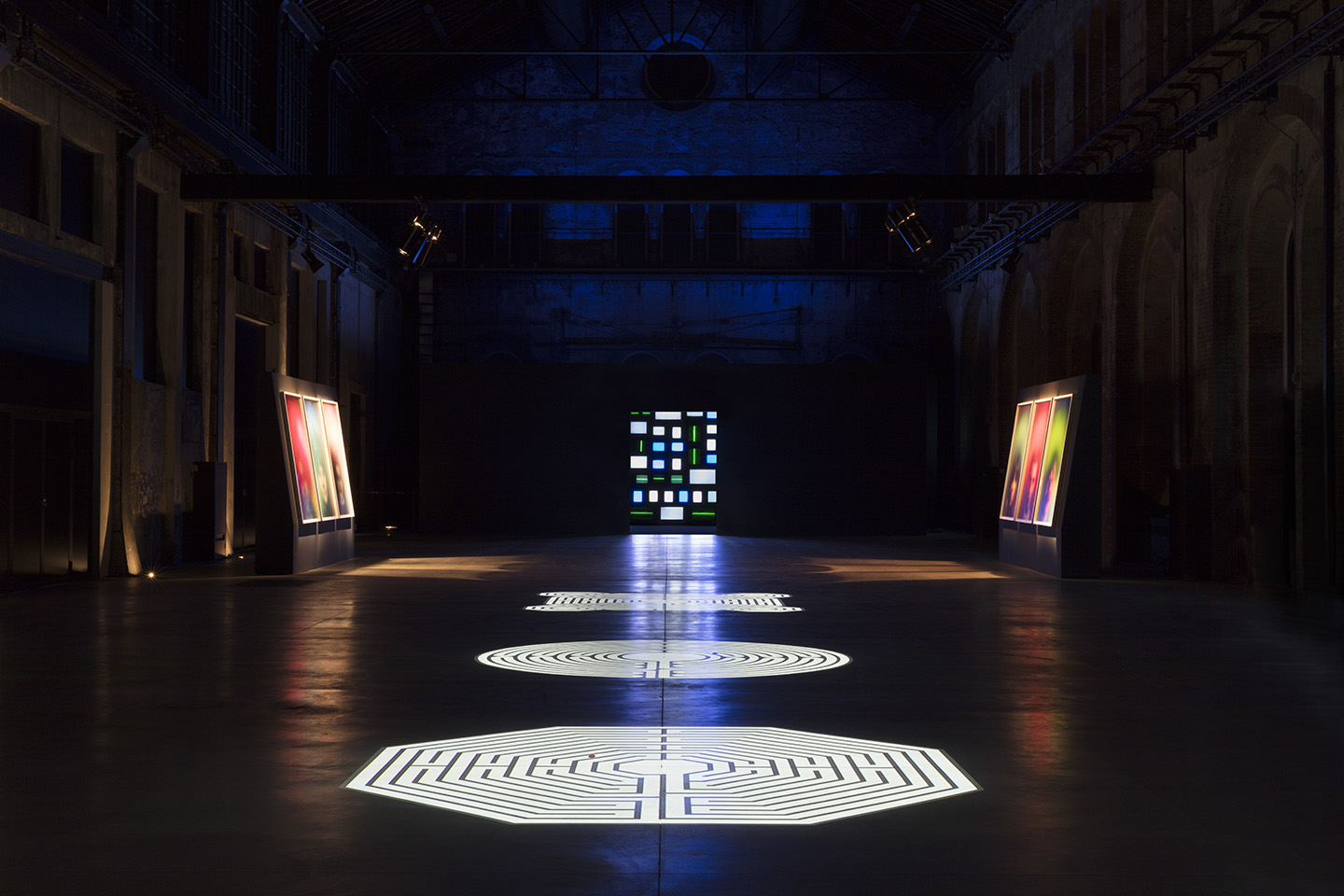
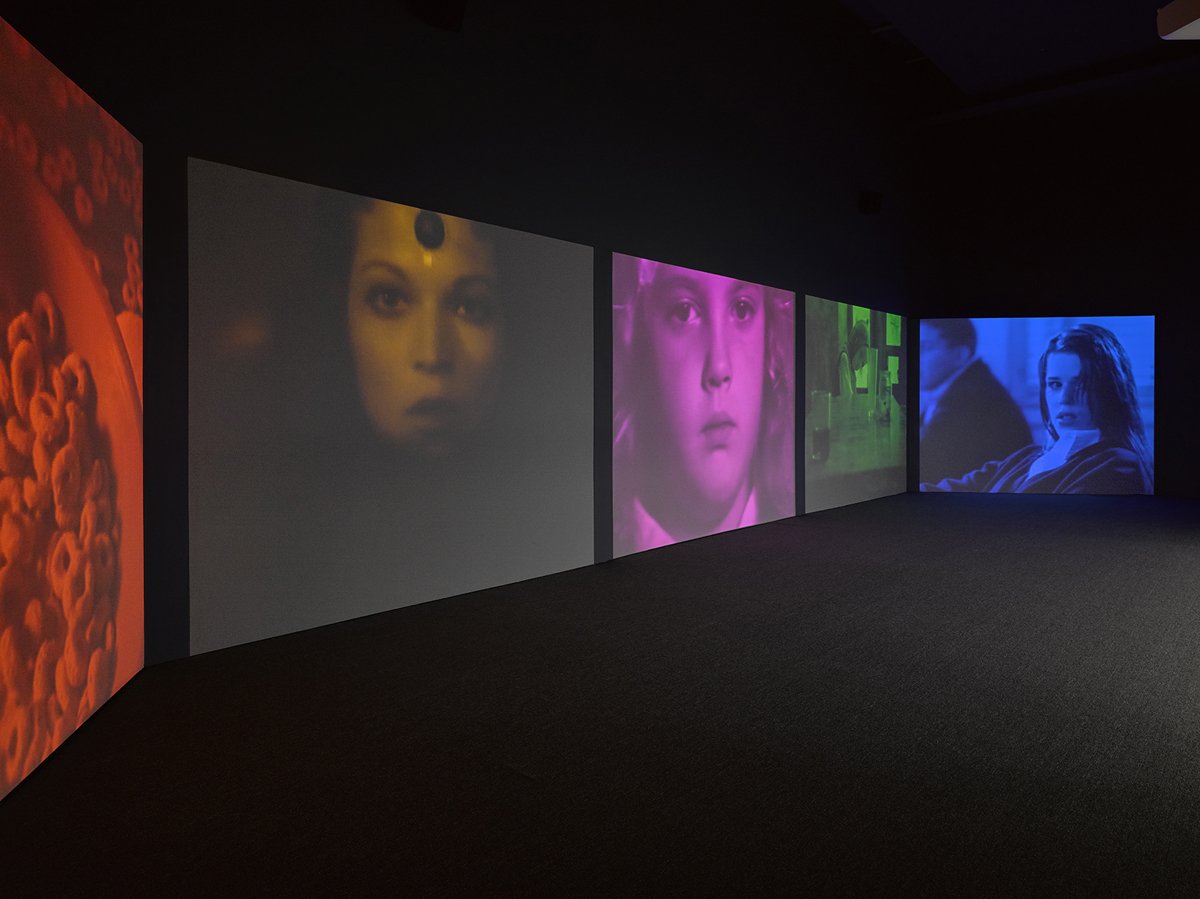
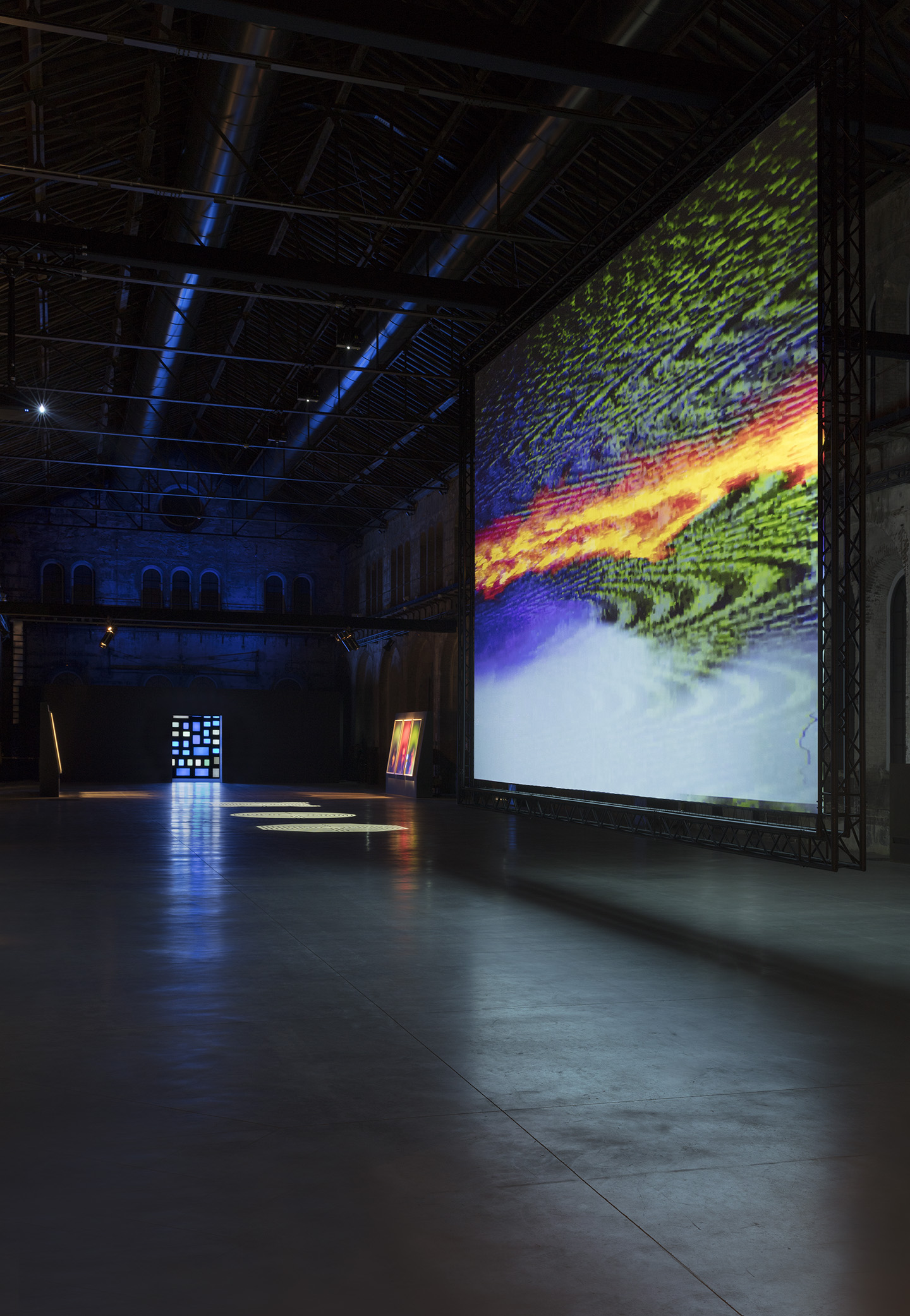
 "With a multimedia practice extending over 40 years, Susan Hiller was one of the most influential artists of her generation. Since first making innovative use of audio and visual technology in the early 1980s, her groundbreaking installations, multi-screen videos and audio works have achieved international recognition. Each of Hiller’s works is based on specific cultural artefacts from our society, which are used as basic materials. Many pieces explore the liminality of certain phenomena including the practice of automatic writing (Sisters of Menon, 1972/79), near death experiences (Channels, 2013) and collective experiences of unconscious, subconscious and paranormal activity (Belshazzar’s Feast, 1983-4; Psi Girls, 1999; Witness, 2000). Hiller’s powerful and resonant films range from the J Street Project (2002-05), a chillingly extensive search for every street sign in Germany bearing the word Juden (Jew), to The Last Silent Movie (2007), which also documents disappearance and absence, although this time through speech recordings of dying or extinct languages. Her psychologically charged and thematically varied practice amounts to an impassioned plea for the joys and mysteries associated with irrationality.
Susan Hiller (1940-2019) was born in Tallahasse, Florida. After graduating from Smith College in 1961, she went on to do doctoral studies in anthropology at Tulane University in New Orleans with a National Science Foundation fellowship. However she abandoned anthropology to become an artist, and from the mid ‘60s was based mainly in London. Her career has been recognised by major solo and survey exhibitions at institutions including Bloomberg SPACE, London, UK. "(lissongallery.com)


Charles Thomas Close


 Charles Thomas Close (1940 – 2021) was an American painter, visual artist, and photographer who made massive-scale photorealist and abstract portraits of himself and others. Close also created photo portraits using a very large format camera. Chuck Close is known for his innovative conceptual portraiture, depicting his subjects, which are transposed from photographs, into visual data organized by gridded compositions.Throughout his childhood and adolescence, Close used art as a means of navigating a learning disability. He continued to develop his artistic skills through private art lessons, drawing and painting from live models. As a student at the University of Washington (BA, 1962), and then at Yale (BFA 1963; MFA 1964), he began to emulate the styles of Arshile Gorky and Willem de Kooning, considering himself a third-wave Abstract Expressionist and as he explored this vocabulary he pivoted from biomorphism to figuration.
After studying at the Akademie der Bildenden Künste in Vienna (1964) on a Fulbright grant, Close returned to the United States in 1965. He taught painting at the University of Massachusetts, Amherst, where he received his first solo exhibition in 1967. Seeking to break from the gestural style that had characterised his student work, Close shifted toward Pop-inflected figuration before embracing the tools of commercial art and illustration. Basing his paintings on photographic imagery, Close reduced his palette to black and white.


Oliver Gagliani - Master of Large Format Photography


 Oliver Gagliani  (1917 - 2002) was a master of large format photography. His darkroom work and proficiency of the Zone System great skill and technique. In 1945, Gagliani viewed a retrospective of the work of Paul Strand at the San Francisco Museum of Art. From this point on, Gagliani saw photography as a fine art and began his journey of being mostly a self-taught photographer. Gagliani studied under and worked with some of the most influential photographers of the 20th century including, Ansel Adams, Ruth Bernhard, Minor White, Paul Caponigro, Cole Weston and Paul Strand. In his later years he conducted photographic workshops in Virginia City, Nevada.


Jess Collins Jess - Surrealist collage


Jess Collins (August 6, 1923 – January 2, 2004), simply known today as Jess, was an American visual artist. JESS was brom in Long Beach, California, the younger son of a civil engineer and a homemaker. Originally named Burgess Franklin Collins, he later broke with his family and changed his name to “Jess.” In childhood, Jess read the L. Frank Baum Oz books, Poe and Proust, listened to the music of Beethoven, Mahler, Sibelius and Brahms, and made scrapbooks with a great-aunt, which he credited as one origin of his later collage work.
"Many of Jess's paintings and collages have themes drawn from chemistry, alchemy, the occult, and male beauty, including a series called Translations (1959–1976) which is done with heavily laid-on paint in a paint-by-number style. In 1975, the Wadsworth Atheneum displayed six of the "Translations" paintings in their Matrix 2 exhibition.In the late 1950s, Jess also filled Pauline Kael's home on Oregon St in Berkeley, CA, with fantastical and Romantic murals, which still adorn the walls today. Collins also created elaborate collages using old book illustrations and comic strips (particularly, the strip Dick Tracy, which he used to make his own strip Tricky Cad). Jess's final work, Narkissos, is a complex rendered 6'x5' drawing owned by the San Francisco Museum of Modern Art."Wikipedia


https://milenaolesinska.blogspot.com/p/blog-page_50.html