Exposition Art Blog: photographer
Showing posts with label photographer. Show all posts

Christian Boltanski - Conceptual Art


 Christian Boltanski (1944 – 2021) was a French sculptor, photographer, painter, and film maker. He is best known for his photography installations and contemporary French conceptual style
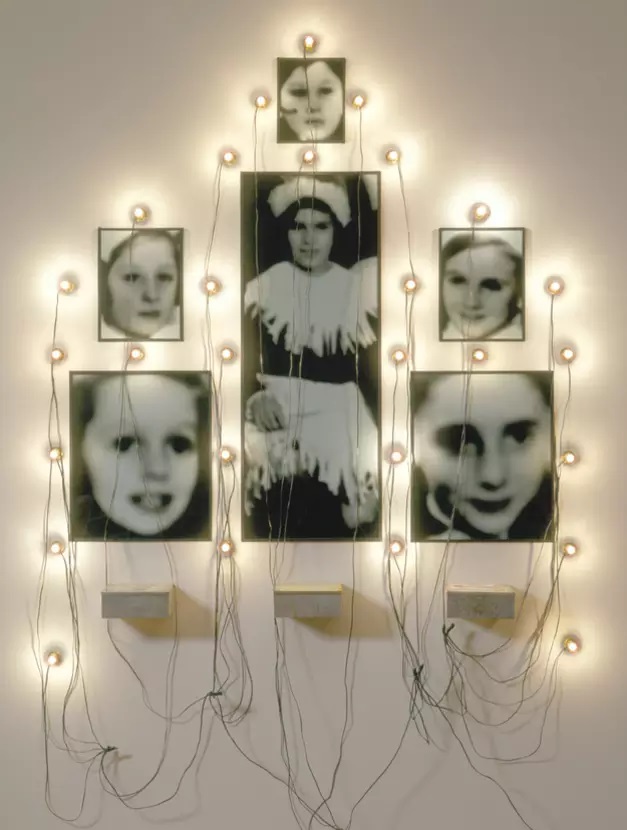
Boltanski began creating mixed media/materials installations in 1986 with light as essential concept. Tin boxes, altar-like construction of framed and manipulated photographs (e.g. Chases School, 1986–1987), photographs of Jewish schoolchildren taken in Vienna in 1931, used as a forceful reminder of mass murder of Jews by the Nazis, all those elements and materials used in his work are used in order to represent deep contemplation regarding reconstruction of past. While creating Reserve (exhibition at Museum für Gegenwartskunst in Basel in 1989), Boltanski filled rooms and corridors with worn clothing items as a way of inciting profound sensation of human tragedy at concentration camps. As in his previous works, objects serve as relentless reminders of human experience and suffering. His piece, Monument (Odessa), uses six photographs of Jewish students in 1939 and lights to resemble Yahrzeit candles to honor and remember the dead. "My work is about the fact of dying, but it's not about the Holocaust itself." In 1971 Boltanski produced his installation, L' Album de la famille D. 1939-1964.
Additionally, his enormous installation titled "No Man's Land" (2010) at the Park Avenue Armory in New York City, is a great example of how his constructions and installations trace the lives of the lost and forgotten.Wikipedia


Zdzisław Beksiński


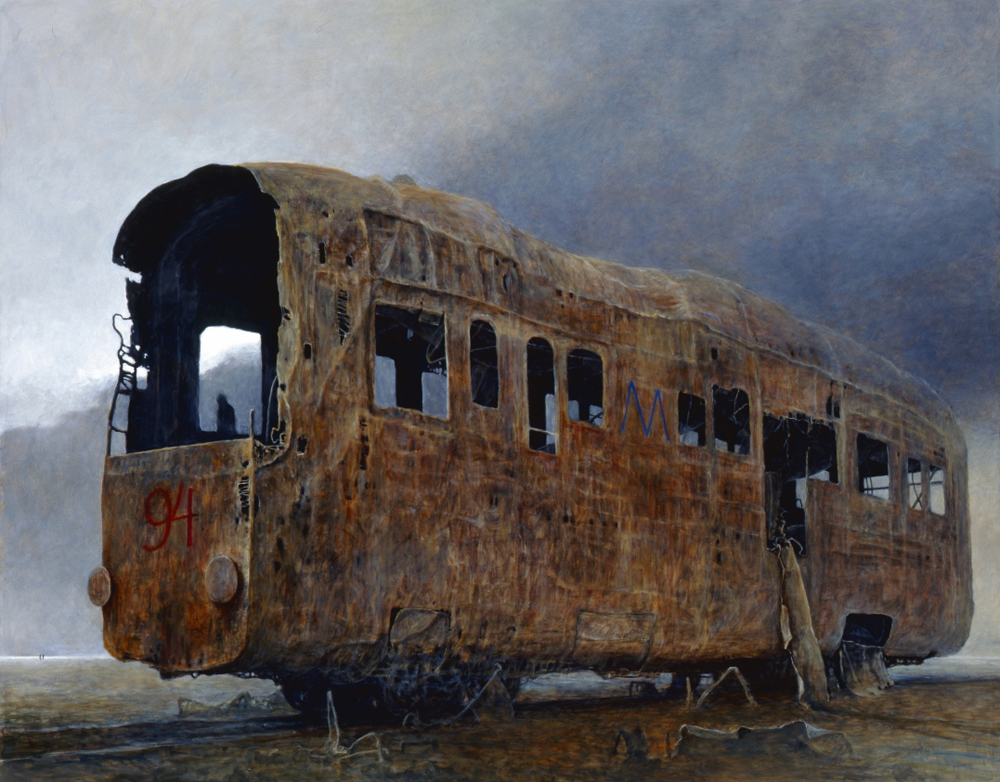
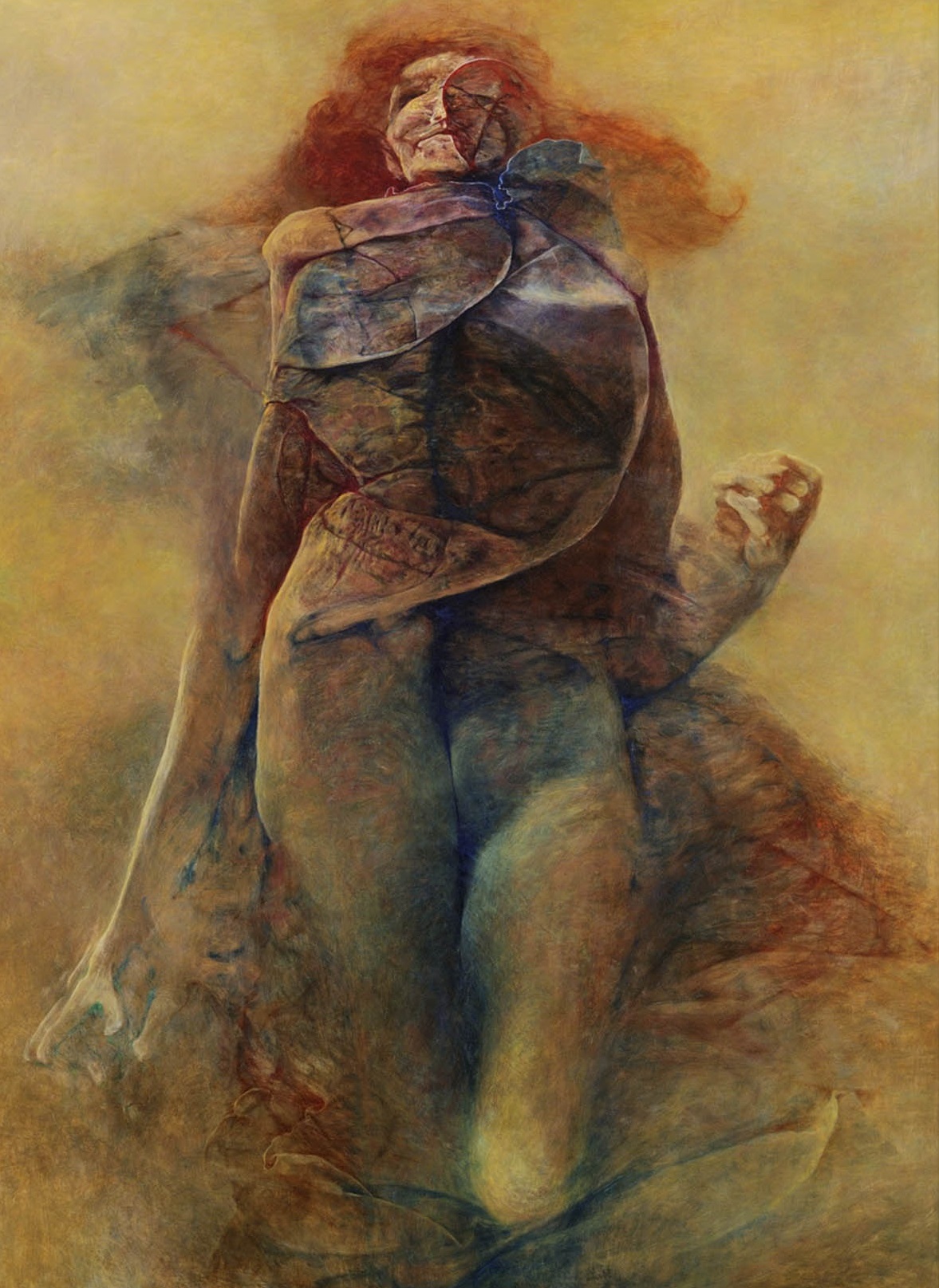
 Zdzisław Beksiński (1929 – 2005) was a Polish painter, photographer and sculptor, specializing in the field of dystopian surrealism. Beksiński did his paintings and drawings in what he called either a 'Baroque' or a 'Gothic' manner. His creations were made mainly in two periods. The first period of work is generally considered to contain expressionistic color, with a strong style of "utopian realism" and surreal architecture, like a doomsday scenario
"It misses the point to ask me what scenes in my paintings 'mean'. Simply, I do not know, myself. Moreover, I am not at all interested in knowing."--Zdzislaw Beksinski
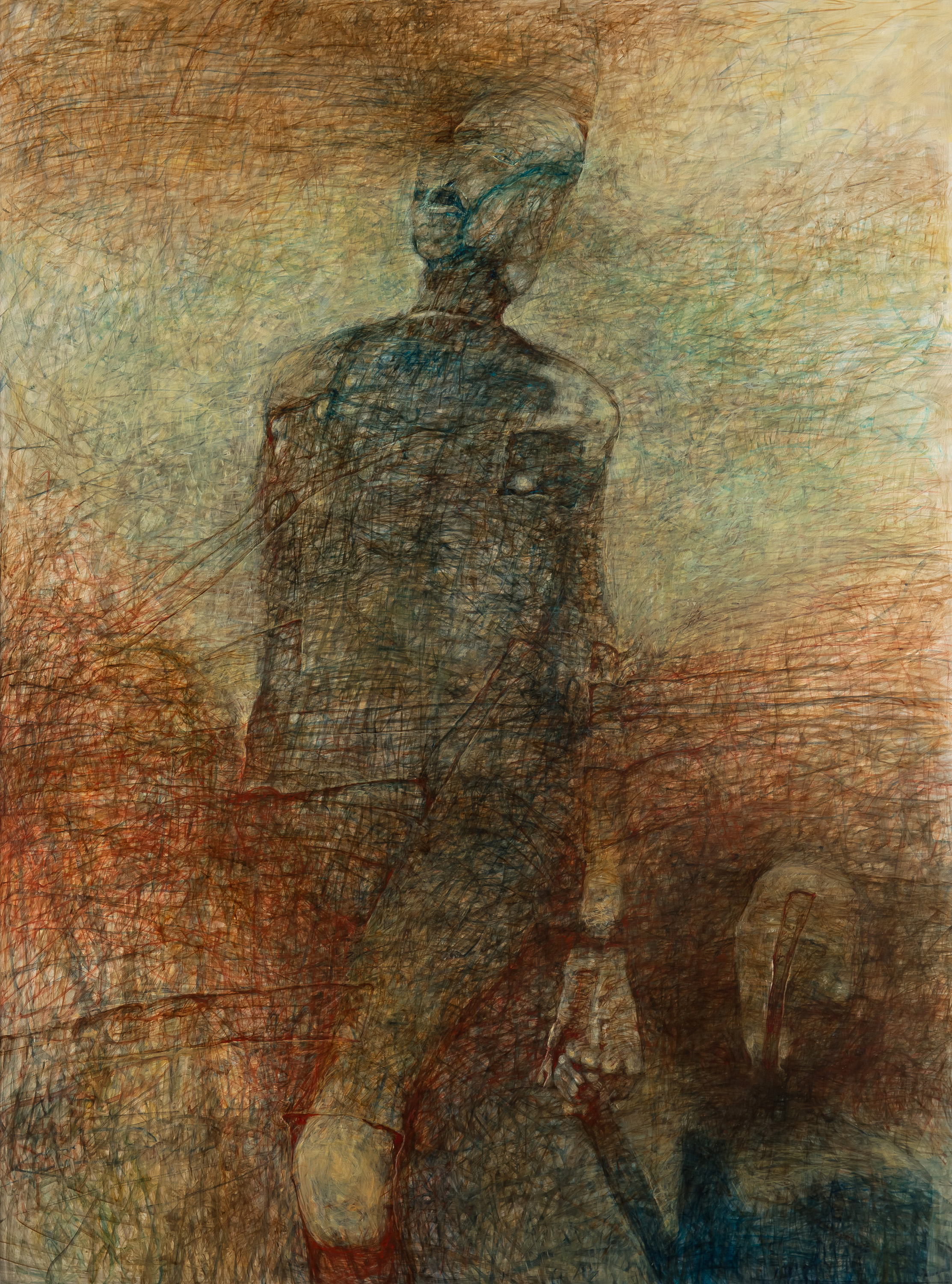
After a childhood was spent during the Second World War, Beksinski went on to university where he studied architecture in Cracow. Subsequent to this education he spent several years as a construction site supervisor, a job he hated, frought with pressures and countless boring details. He would soon throw himself into the arts. In 1958, Beksinski began to gain critical praise for his photography, and later went on to drawing. His highly detailed drawings are often quite large, and may remind some of the works of Ernst Fuchs in their intricate, and nearly obsessive rendering.
Beksinski eventually threw himself into painting with a passion, and worked constantly, always to the strains of classical music. He soon became the leading figure in contemporary Polish art.
Beksinski began painting in oils on masonite around the year 1970. His ability to manipulate the effects of light quickly became a hallmark of his work, and can only be compared with the renown abilities of William Turner. Beksinski's paintings aremasterfully rendered, monumental enigmans. One thing they share is an aesthetic of beauty so potent that it overpowers any desperate nature of the given subject matter, as is similarly the case with Swiss artist, H.R. Giger. The paintings as a whole are wonderfully dark, and allow the viewer to interperet them as they will, as they will certainly get no help from this particular artist. As Magritte said: "The purpose of art is mystery."...."The blend of vivid colors in relation to other more subdued colors in my paintings is like a musical theme. As in a symphony, a motif occurs, is blurred, comes back in crescendo, is finally accentuated and becomes pure and complete."/Z.Beksiński/


Charles Thomas Close


 Charles Thomas Close (1940 – 2021) was an American painter, visual artist, and photographer who made massive-scale photorealist and abstract portraits of himself and others. Close also created photo portraits using a very large format camera. Chuck Close is known for his innovative conceptual portraiture, depicting his subjects, which are transposed from photographs, into visual data organized by gridded compositions.Throughout his childhood and adolescence, Close used art as a means of navigating a learning disability. He continued to develop his artistic skills through private art lessons, drawing and painting from live models. As a student at the University of Washington (BA, 1962), and then at Yale (BFA 1963; MFA 1964), he began to emulate the styles of Arshile Gorky and Willem de Kooning, considering himself a third-wave Abstract Expressionist and as he explored this vocabulary he pivoted from biomorphism to figuration.
After studying at the Akademie der Bildenden Künste in Vienna (1964) on a Fulbright grant, Close returned to the United States in 1965. He taught painting at the University of Massachusetts, Amherst, where he received his first solo exhibition in 1967. Seeking to break from the gestural style that had characterised his student work, Close shifted toward Pop-inflected figuration before embracing the tools of commercial art and illustration. Basing his paintings on photographic imagery, Close reduced his palette to black and white.