Exposition Art Blog

Don P. Olsen - Abstract Expressionism


 Don P. Olsen /1910 -1983/
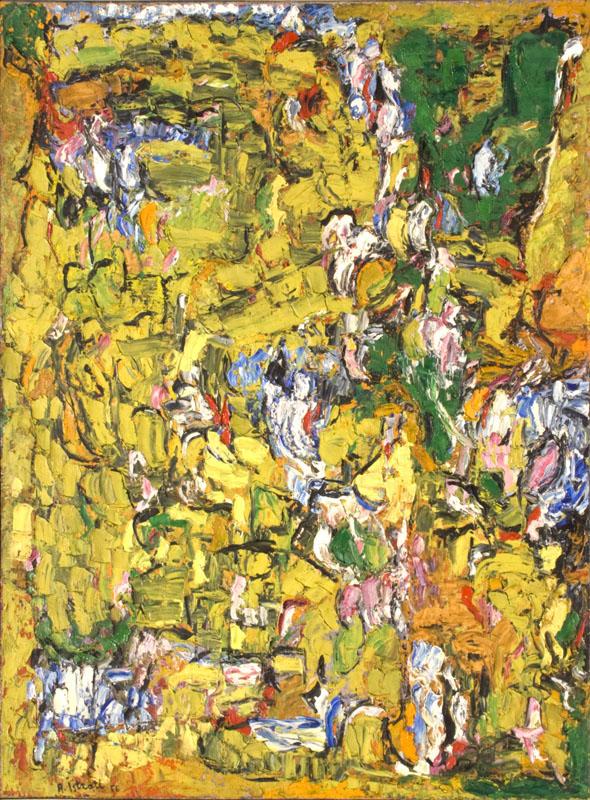
Don Penrod Olsen was born in 1910 and died in Utah 1983.  He made Utah his home.  Don was one of the most significant artists of Utah to emerge with more of a direct line with radical modernism.  He was an art teacher at Jordan High School and the Art Barn, which later became the Salt Lake Art Center.  Olsen wanted to meld the Utah School with national directions of abstract expressionism in art.
He bridged the early and later Utah generations of modernism most effectively.  Don worked through many of the abstract languages of art more brutally, from “BRUSHED-ACTION PAINTING” (abstract expressionism) to “HARD- EDGE” (minimalism).  He fell in between the lines of Gothic abstract painting.  He understood the intent of abstract expression better than anyother Utahn.
Olsen’s style became freer after he studied the summer of 1954 at Hans Hofmanns School of Art in Provincetown, Massachusetts.  In 1955, he exhibited at the Salt Lake Art Center with a one-man show developed from his recent study with Hofmann.  For a decade more, her would be known solely for his “large thickly painted-with-muscle brushwork”, or “brush-action-painting”.  
With his painting, Don reached an immediacy, involvement, and energy level seldom attained by his Utah peers.  It is an explosively vital work which attacks the viewer’s sensitivities with internal expressiveness.  His work protests the niceties of his colleagues and escapes to art of a different nature at its most ferocious.  In Olsens words: “Painting is not and illusion.  A painting can only be itself; it does not simulate, borrow from, or pretend to be anything outside itself.  It is a real thing and its reality lies in being itself.  A painting reveals the internal expression of the artist and has nothing to do with observation of visual facts”.(daviddeefinearts.com)


Yannima Tommy Watson - Indigenous Australian Artist


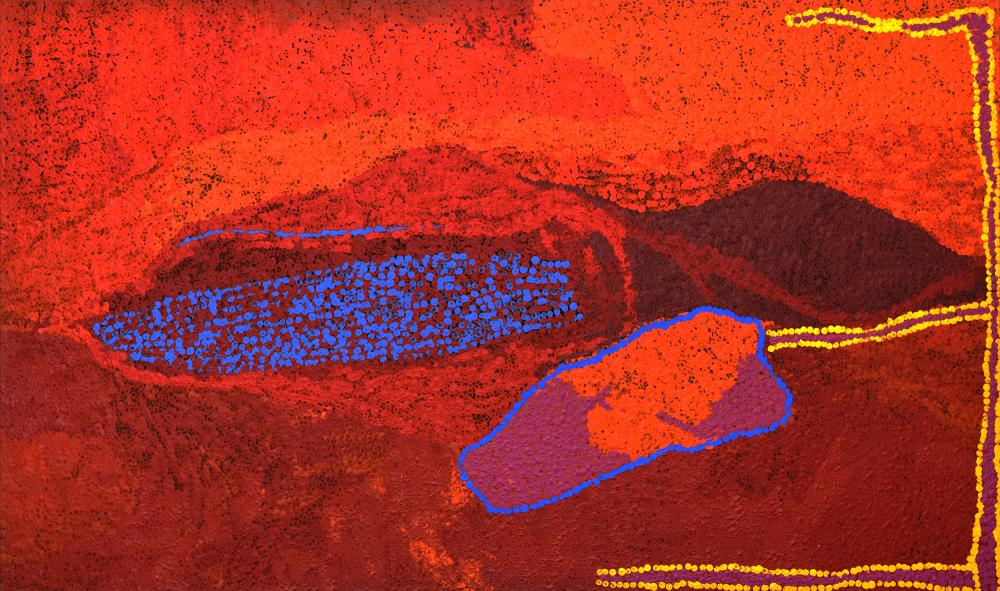
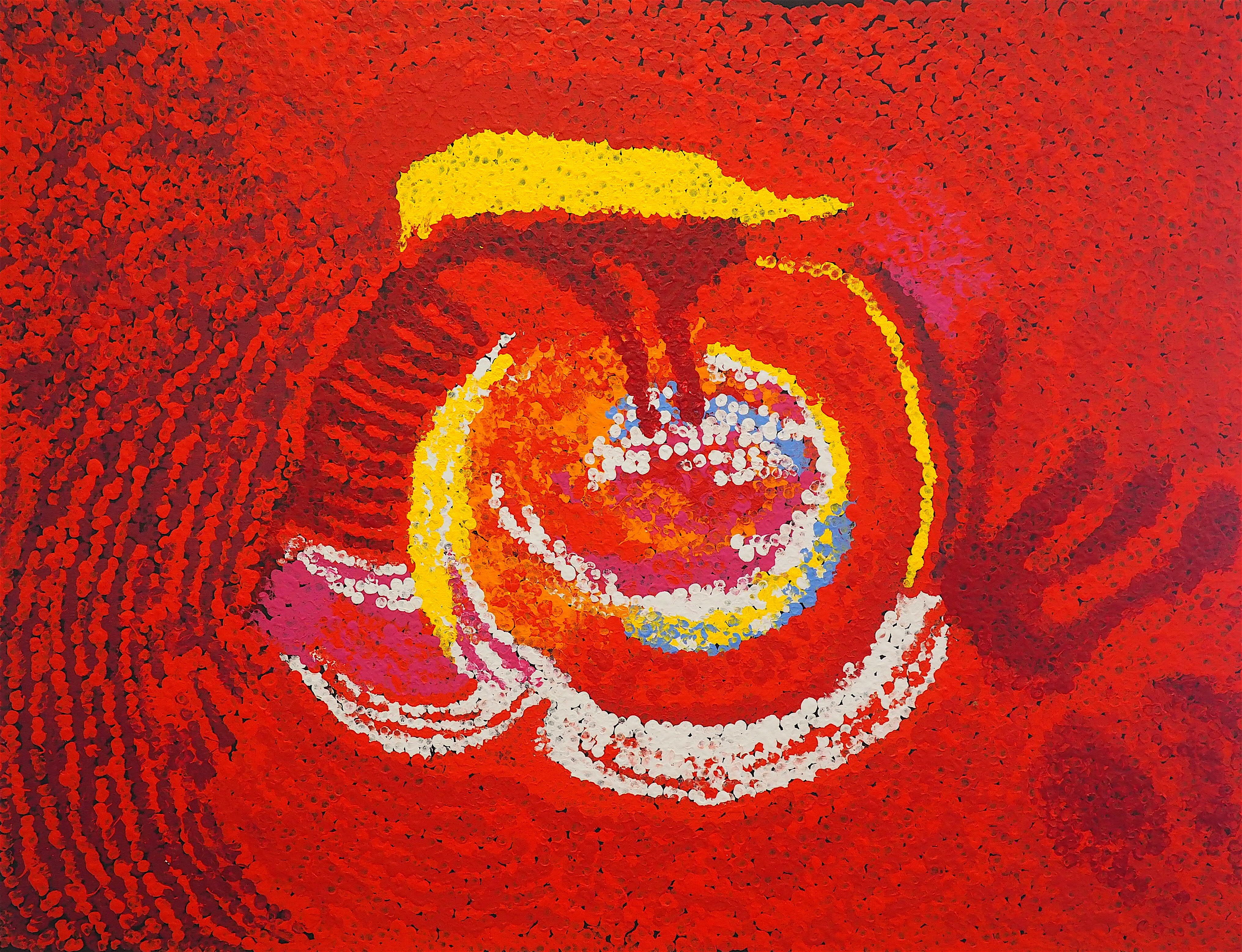
 Yannima Tommy Watson (1935 - 2017 )was a senior APY Lands painter who was born around 1935 at Anamarapiti, about 40kms from Irrunytju Community (Wingellina) in Western Australia. Watson was a Pitjantjatjara man, his skin group was Karimara."My grandfather's country, grandmother's country. When they were alive, they would take me around the country, when I was a kid. That's why we look after country, go out whenever we can. See if the rock holes are good"
"Tommy Watson was known for his use of strong vibrant colours, that symbolically represented the ancestral stories of his country. Judith Ryan, Senior Curator of Indigenous Art at the National Gallery of Victoria, has described Watson's colour as "incandescent". Watson's understanding of Australia's physical environment and its relationship with the ancestral stories came to form the central element of his paintings. Watson created his works on premium Belgian linen and favoured Ara Acrylic paint, created by the Gerrit Rietveld Academie. Tommy has been associated with the 'Colour Power' movement that developed within the Indigenous art scene between 1984 and 2004.
Watson himself stated that his art is an exploration of traditional Aboriginal culture, in which the land and spirituality are intertwined and communicated through stories passed on from generation to generation. He said, "I want to paint these stories so that others can learn and understand about our culture and country."


Craig Ruddy - Australian Contemporary Art


 Craig Ruddy (1968 –2022) was an Australian artist, known for winning the Archibald Prize in 2004 with his portrait of Aboriginal actor David Gulpilil. Ruddy died of complications related to COVID-19 on 4 January 2022, at the age of 53
"Craig Ruddy is an award winning contemporary artist who lives and works in The Pocket in Northern NSW Australia.
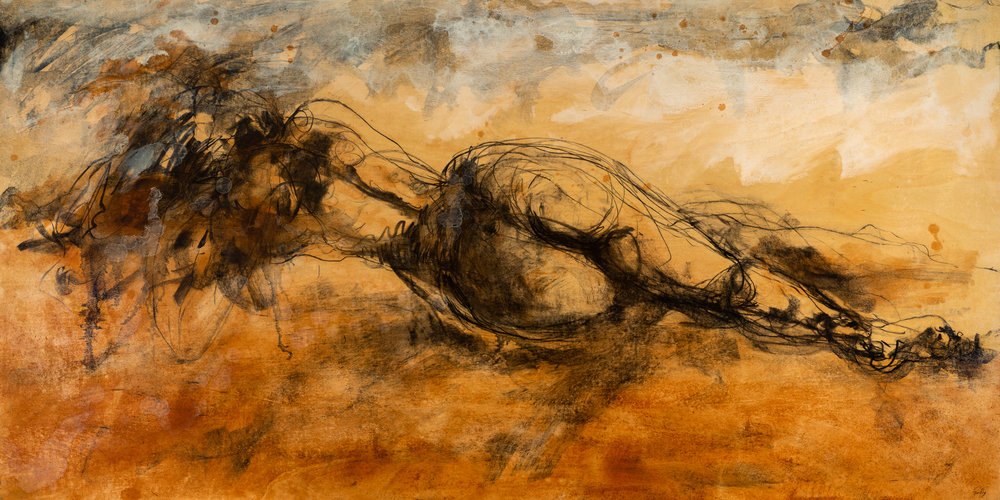
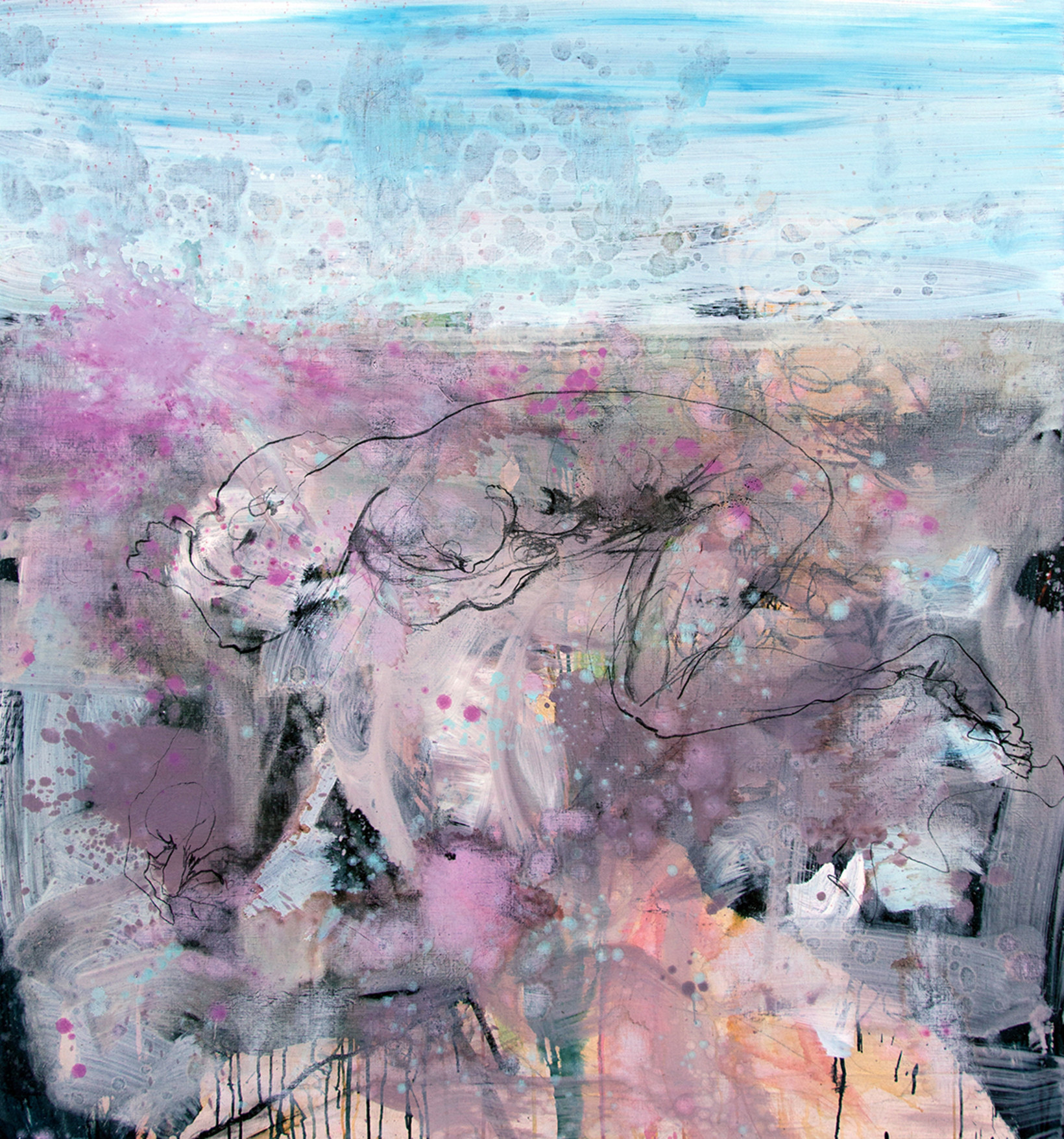
Craig Ruddy is renowned for his dramatic figurative portraits that are often interwoven into richly textured abstract landscapes. Ruddy’s art practice explores the space between our real and mythical connections to the land and environment. His work reflects a deeply personal ongoing spiritual journey, where the artist explores questions of social conscience as well as current environmental issues. The recognition of Australian Indigenous People and Culture is also a core theme that has permeated the narrative of his past work and exhibitions.Craig Ruddy’s inimitable painting style pushes the traditional boundaries of this classic medium. His work process involves a complex layering of mixed mediums that include paint, charcoal, pencil drawing, varnish and even glass. Ruddy’s figures become inseparable from the landscapes in which they reside. His unique use of layering creates an illusion of transparency, whereby the foreground and background seem to both simultaneously co-exist and disappear, becoming one and the same. The illusory technique mirrors a deeper spiritual metaphor; the interconnectedness of all things.The artist’s work is a continuing tribute to his surroundings, country and the people that reside within it. Ruddy’s practice is intuitive and organic. His use of free flowing sensitive lines combined with a vibrant, dynamic colour palatte result in bold paintings that are both sensual and powerful, aptly reflecting the inspiration he draws from the Australian landscape."(craigruddy.com)


Richard Dick Wray - Abstract Expressionism Artworks


Richard Dick Wray (1933 - 2011) was an American abstract expressionist painter whose work had an influence on the art scene in Houston, Texas. After an art career spanning over 50 years, he died at age 77 of liver disease. His work continues to be showcased by art institutions and organizations across Houston, including the William Reaves Gallery, and is listed on the official website for the National Gallery of Art.
In 1955, Wray received an honorable discharge from the Army and enrolled in the School of Architecture of the University of Houston. There, he would spend the next 3 years studying various forms of architecture, until leaving the school to finish his studies at the Kunstakademie Düsseldorf, the Arts Academy of the city of Düsseldorf, Germany. Wray travelled to Europe in 1958 in order to discover what he believed was the "center" of the art world. The two years he spent in Europe—beginning in Paris and concluding in Germany—laid the foundation for his painting career. Though originally interested in architecture, Wray's interactions with the work of abstract expressionists, artists of a European avant-garde movement known as the CoBrA group and New York Abstract Expressionists (which Wray also saw for the first time in Europe) had tremendous influences on his artistic passions. In effect, Wray deviated away from architecture and, equipped with new knowledge of European expressionism, returned to Texas at age 26 to begin his career as a painter.Wikipedia