Exposition Art Blog: photography
Showing posts with label photography. Show all posts

Christian Boltanski - Conceptual Art


 Christian Boltanski (1944 – 2021) was a French sculptor, photographer, painter, and film maker. He is best known for his photography installations and contemporary French conceptual style
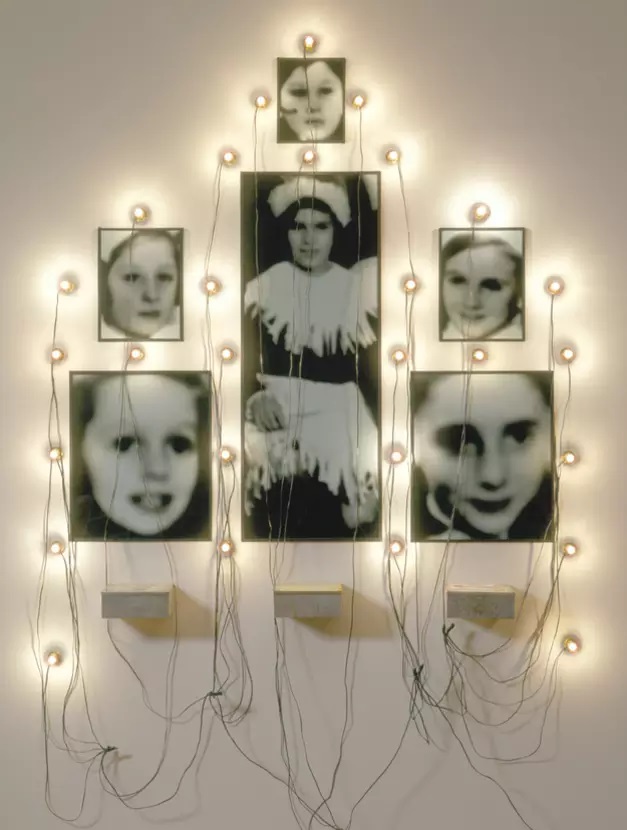
Boltanski began creating mixed media/materials installations in 1986 with light as essential concept. Tin boxes, altar-like construction of framed and manipulated photographs (e.g. Chases School, 1986–1987), photographs of Jewish schoolchildren taken in Vienna in 1931, used as a forceful reminder of mass murder of Jews by the Nazis, all those elements and materials used in his work are used in order to represent deep contemplation regarding reconstruction of past. While creating Reserve (exhibition at Museum für Gegenwartskunst in Basel in 1989), Boltanski filled rooms and corridors with worn clothing items as a way of inciting profound sensation of human tragedy at concentration camps. As in his previous works, objects serve as relentless reminders of human experience and suffering. His piece, Monument (Odessa), uses six photographs of Jewish students in 1939 and lights to resemble Yahrzeit candles to honor and remember the dead. "My work is about the fact of dying, but it's not about the Holocaust itself." In 1971 Boltanski produced his installation, L' Album de la famille D. 1939-1964.
Additionally, his enormous installation titled "No Man's Land" (2010) at the Park Avenue Armory in New York City, is a great example of how his constructions and installations trace the lives of the lost and forgotten.Wikipedia


Susan Hiller


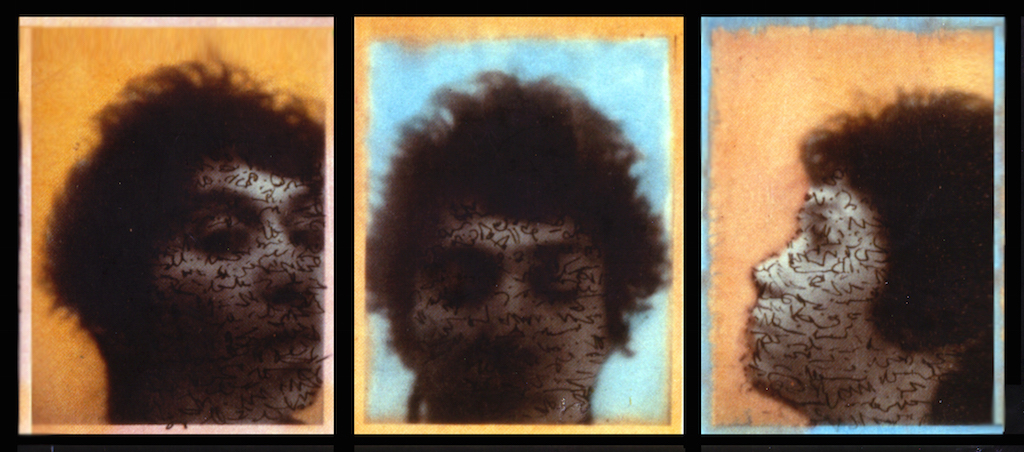
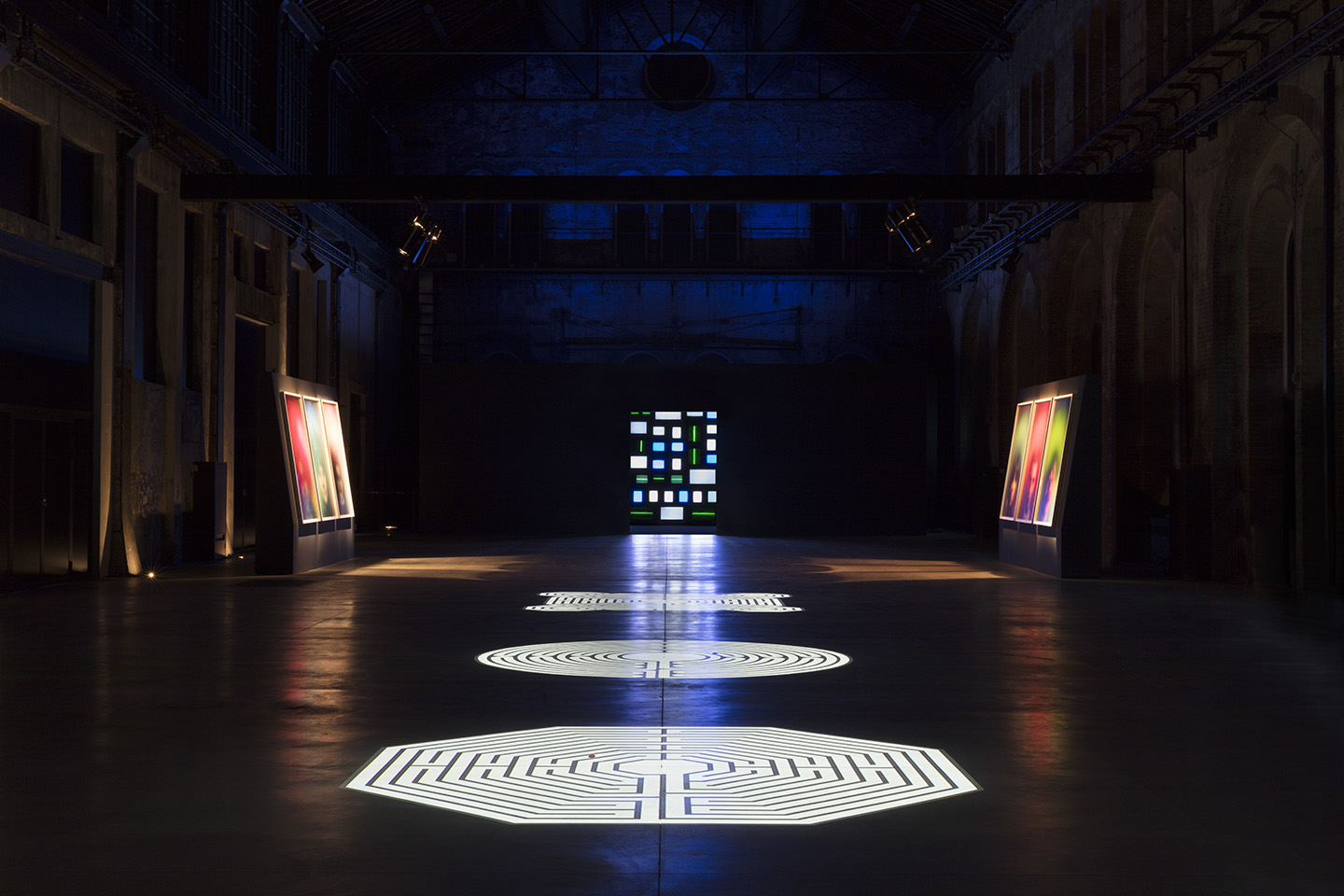
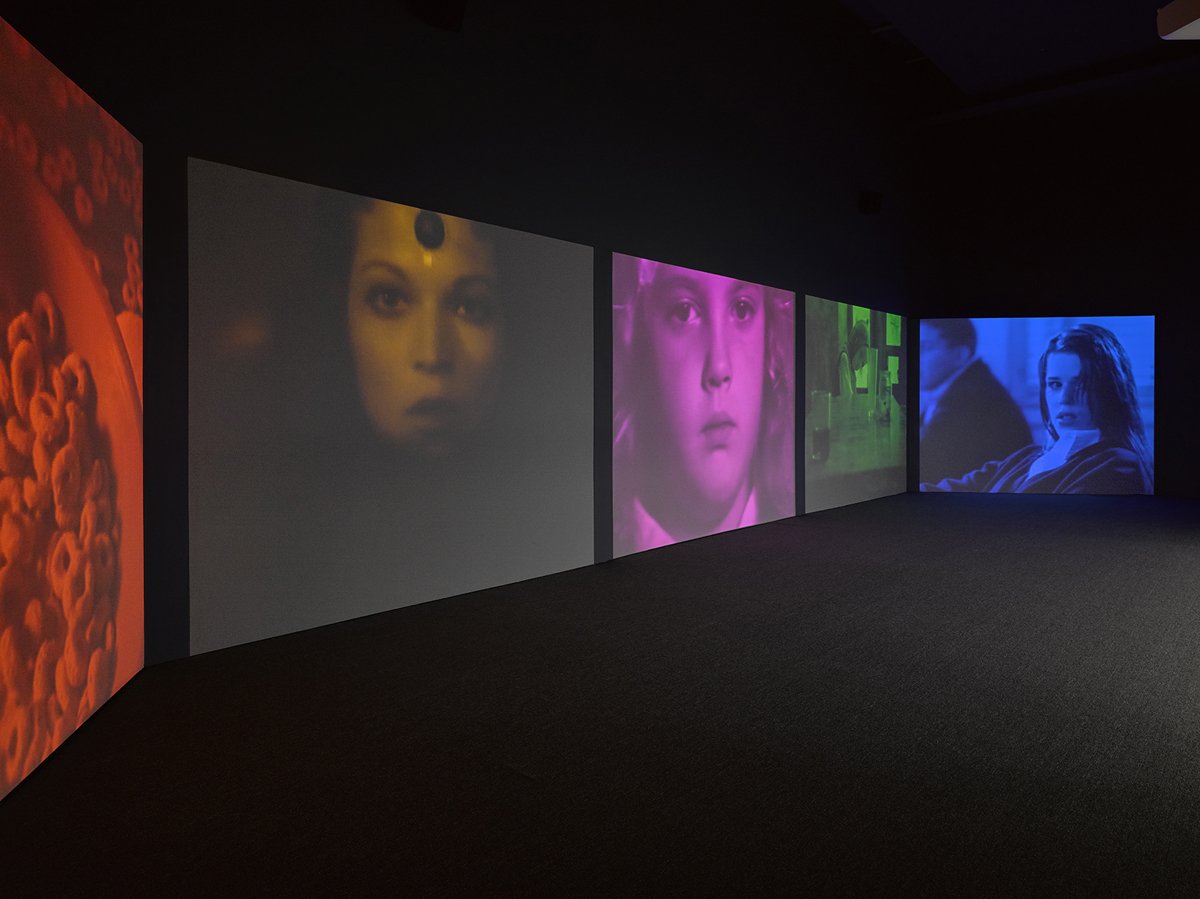
 "With a multimedia practice extending over 40 years, Susan Hiller was one of the most influential artists of her generation. Since first making innovative use of audio and visual technology in the early 1980s, her groundbreaking installations, multi-screen videos and audio works have achieved international recognition. Each of Hiller’s works is based on specific cultural artefacts from our society, which are used as basic materials. Many pieces explore the liminality of certain phenomena including the practice of automatic writing (Sisters of Menon, 1972/79), near death experiences (Channels, 2013) and collective experiences of unconscious, subconscious and paranormal activity (Belshazzar’s Feast, 1983-4; Psi Girls, 1999; Witness, 2000). Hiller’s powerful and resonant films range from the J Street Project (2002-05), a chillingly extensive search for every street sign in Germany bearing the word Juden (Jew), to The Last Silent Movie (2007), which also documents disappearance and absence, although this time through speech recordings of dying or extinct languages. Her psychologically charged and thematically varied practice amounts to an impassioned plea for the joys and mysteries associated with irrationality.
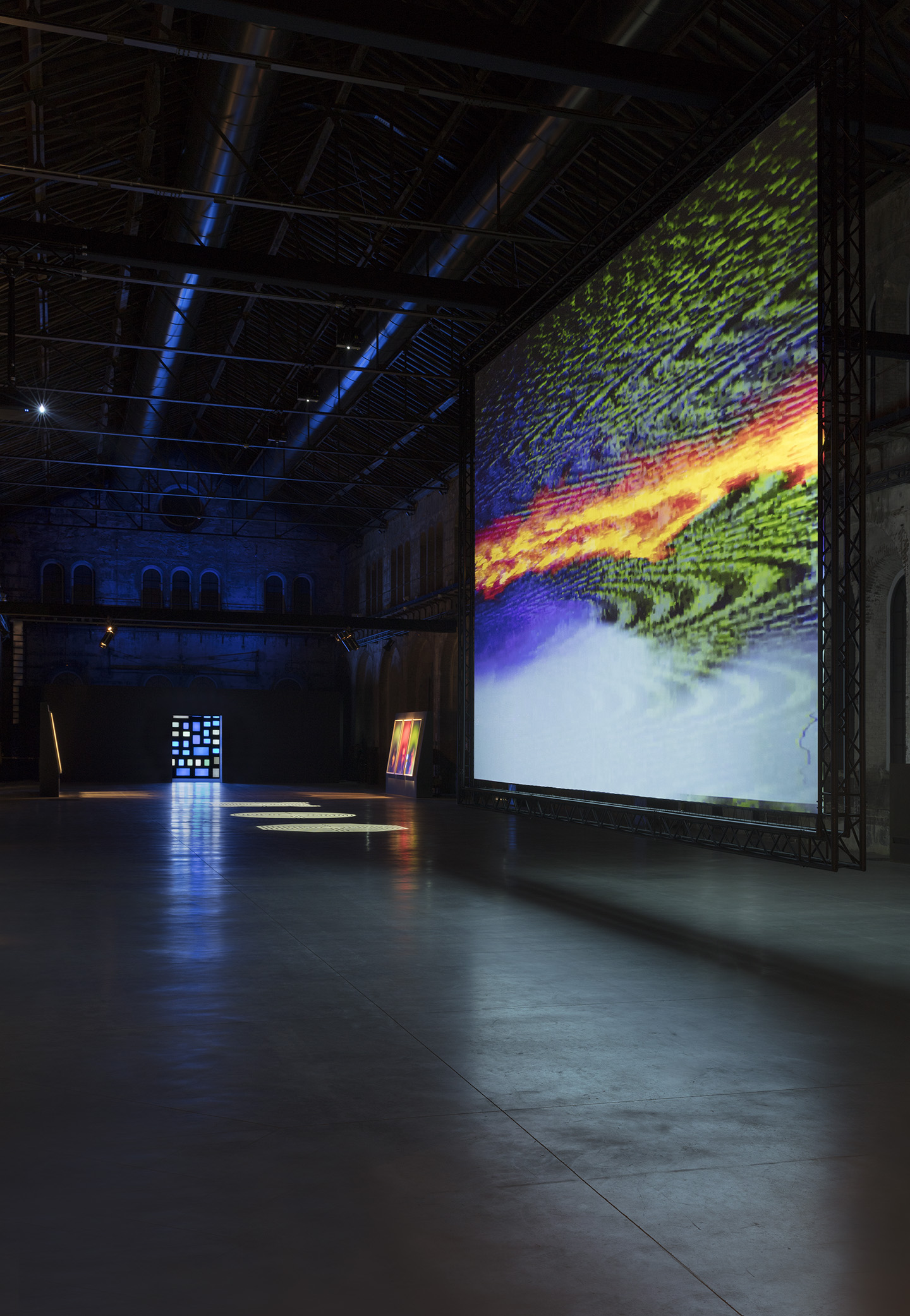
Susan Hiller (1940-2019) was born in Tallahasse, Florida. After graduating from Smith College in 1961, she went on to do doctoral studies in anthropology at Tulane University in New Orleans with a National Science Foundation fellowship. However she abandoned anthropology to become an artist, and from the mid ‘60s was based mainly in London. Her career has been recognised by major solo and survey exhibitions at institutions including Bloomberg SPACE, London, UK. "(lissongallery.com)


George Woodman - Photography


 "George Woodman (1932 – 2017) was a photographer and painter whose career spanned more than sixty years and included forays into diverse visual media. Woodman was deeply influenced by classical and modernist traditions. He was committed to explorations of color and abstraction in a variety of forms - landscape, geometric, and patterned - before pivoting toward the figure, sculpture, and architecture.
Woodman was born in Concord, New Hampshire. He graduated from Harvard in 1954 with honors in philosophy and received a Master of Fine Arts from the University of New Mexico in 1956. He married the artist Betty Abrahams in 1953 and after two years in Albuquerque, New Mexico, they moved to Boulder, Colorado in 1956 where he taught painting and philosophy of art at the University of Colorado for thirty years, becoming Professor Emeritus in 1995. He was an influential professor and artist in the Colorado scene in the 1960s and 70s, associated for many years with the Criss-Cross Art Communication movement and a founding member of the seminal Spark Gallery.
‍Woodman began his career as an abstract painter, best known for his formally inventive tessellations and complex understanding of color. In the 1980s, Woodman’s paintings turned toward classical figuration, and he began making black and white photographs of nudes in classical architectural and sculptural settings. At this time his work with patterns developed into compositions in painted ceramic tile, with major public commissions in Detroit, Michigan; Denver, Colorado; and Buffalo, New York. After retiring from teaching in 1995, he lived half of each year in Antella and half in New York."(woodmanfoundation.org)