Exposition Art Blog: land art
Showing posts with label land art. Show all posts

Beverly Buchanan


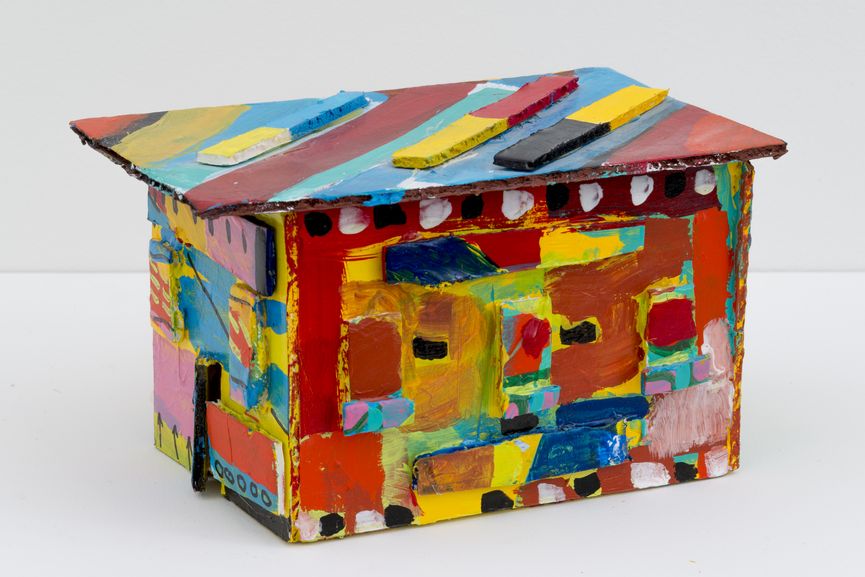
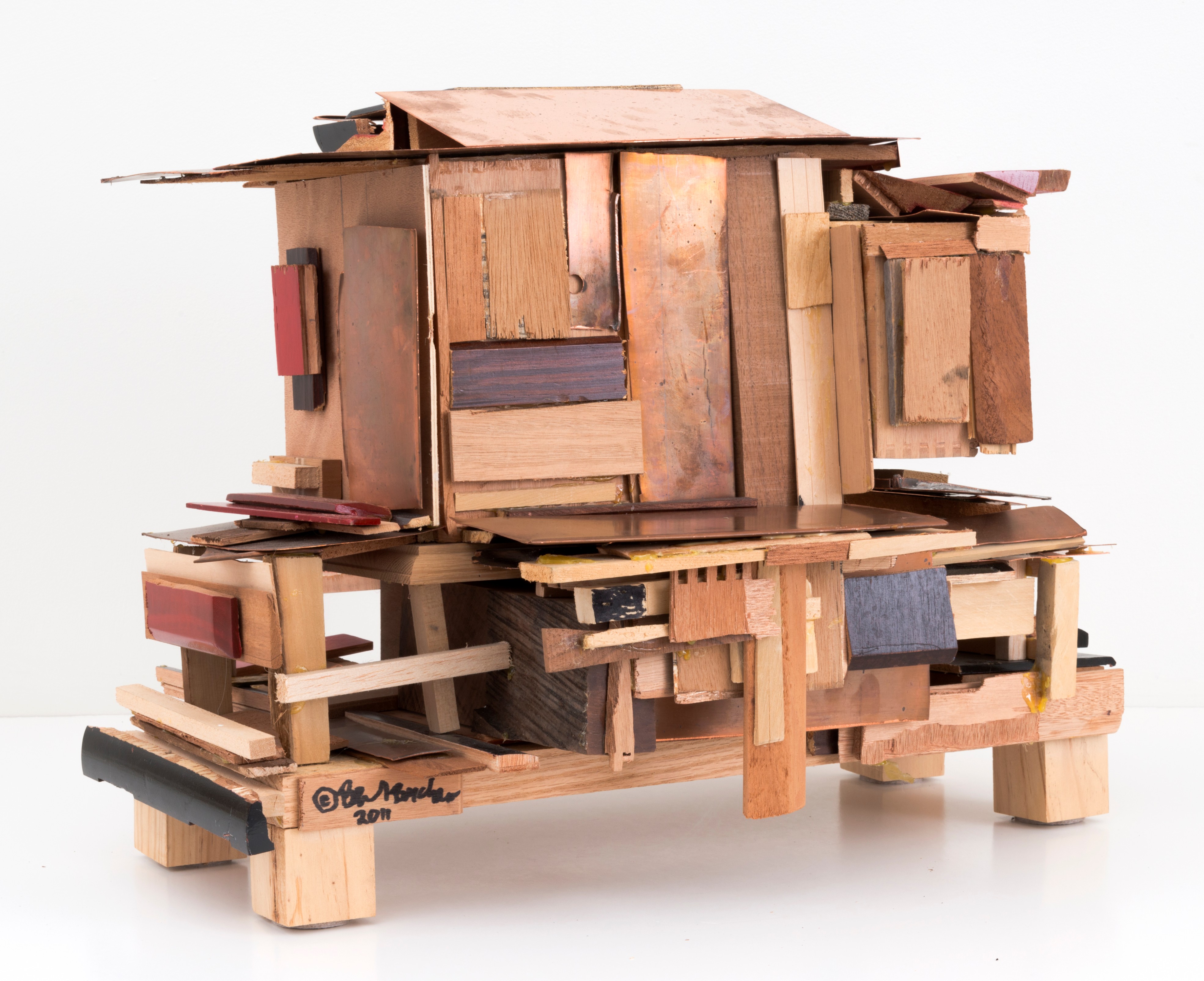
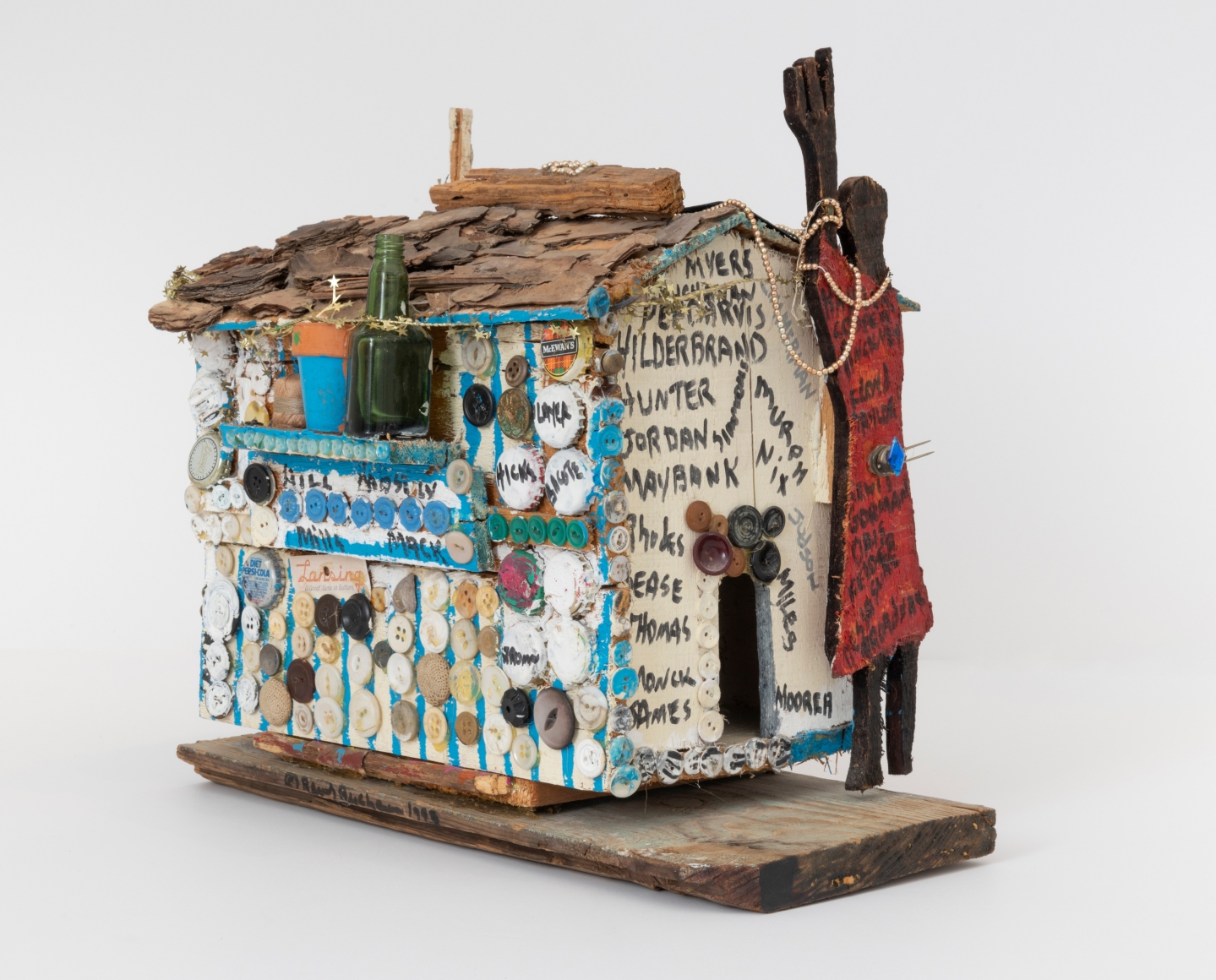
 Beverly Buchanan (1940 –2015)was an African-American artist whose works include painting, sculpture, video, and land art. Buchanan is noted for her exploration of Southern vernacular architecture through her art
"Beverly Buchanan has received widespread acclaim for her studies of Southern vernacular architecture and folk art, which honor the history of Black ingenuity and resilience. In her best-known series of sculptural “shacks,” she created intimate assemblage works replicating small, makeshift dwellings she saw throughout the rural South. In 2016, the Brooklyn Museum organized a landmark posthumous exhibition of Buchanan’s work, “Beverly Buchanan —Ruins and Rituals.” Buchanan earned fellowships from the Guggenheim and the National Endowment for the Arts during her lifetime, but her work has only received substantial mainstream attention since her death in 2015. She earned degrees in science and later studied under Norman Lewis at the Art Students League in New York before moving to Georgia, where she began creating public installations and sculptures to mark significant sites in the fight for racial equality."(artsy.net)


Beverly Pepper -Contemporary Sculpture


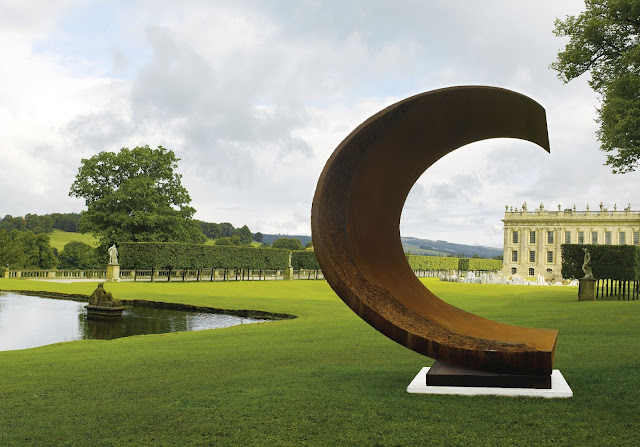
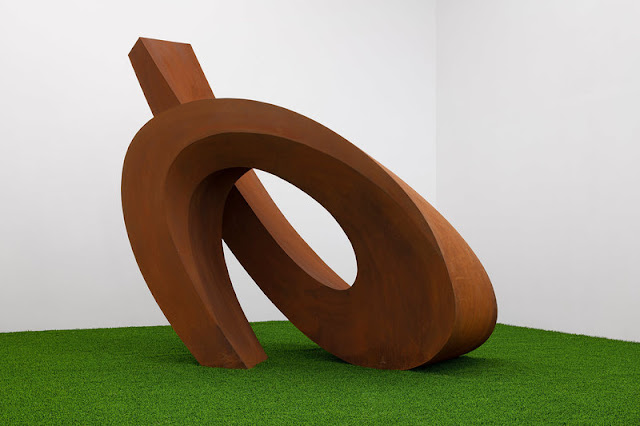
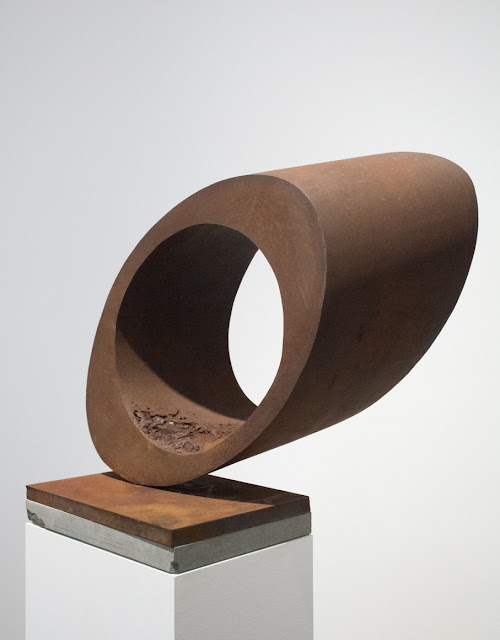
 Beverly Pepper (1922 - 2020) - American sculptor known for her monumental works, site specific and land art. She remains independent from any particular art movement.
All of Pepper's sculptures from the beginning of her sculptural career were displayed outdoors. Eventually, she began her experiments using earth to contain a sculpture. "In the seventies I developed the concept of "Earthbound Sculptures", that is sculptures seemingly born in or rising up from the earth."Becoming more involved with her native New York in the 1970s, her progressive ideas became realized in commissions such as her seminal work Amphisculpture (1974-76). Furthering her vocabulary in steel, throughout this time period she used Cor-ten steel. While working at a U.S. steel factory in Conshohocken, Pennsylvania, she was given Cor-ten steel. Relishing in the exposed rusted surfaces of Cor-ten, she made pieces like Dallas Land Canal (1971-75). She was, in fact, one of the first artists, if not the first, to incorporate Cor-Ten steel into sculpture.Beginning in the 1970s, and to the present day, she has lived a bi-continental life traveling between Europe and the United States. Wikipedia


Nancy Holt - Sun Tunnels


Nancy Holt (April 5, 1938 – February 8, 2014) was an American artist most known for her public sculpture, installation art and land art. Throughout her career, Holt also produced works in other media, including film and photography, and wrote books and articles about art. Holt is associated with earthworks or land art. Land art emerged in the 1960s, coinciding with a growing ecology movement in the United States, which asked people to become more aware of the negative impact they can have on the natural environment. Land art changed the way people thought of art; it took art out of the gallery or museum and into the natural landscape, the product of which were huge works engaging elements of the environment. Unlike much of the commercialized art during this time period, land art could not be bought or sold on the art market. Thus, it shifted the perspective of how people all over the world viewed art.Land art was typically created in remote, uninhabited regions of the country, particularly the Southwest. Some attribute this popular location for land art to artists’ need to escape the turmoil in the United States during the 1960s and 70s by turning to the open, uncorrupted land of the West. Holt believed this artistic movement came about in the United States due to the vastness of the American landscape. As a result of earthworks not being easily accessible to the public, documentation in photographs, videos, drawings became imperative to their being seen.Wikipedia

 Sun Tunnels


 "Holt's most recognized artwork, Sun Tunnels (1973–1976), is a large-scale installation in Utah's Great Basin Desert, a four-hour drive from the UMFA. It consists of four large concrete cylinders, arranged on the desert floor in a cross pattern, that align with the sunrise and sunset on the summer and winter solstices. In addition to this perfect solar framing, each of the cylinders is pierced with smaller holes representing the stars of four constellations: Draco, Perseus, Columba, and Capricorn. Holt's design allows for an ever-changing play of light and shadow upon the surfaces of her work. The four concrete tubes act as viewfinders framing precise images which, in Holt's words, "bring the vast space of the desert back to human scale." (umfa.utah.edu)


Christo and Jeanne-Claude

Christo Vladimirov Javacheff and Jeanne-Claude were a married couple who created environmental works of art. Christo and Jeanne-Claude were born on the same day, June 13, 1935; Christo in Gabrovo, Bulgaria, and Jeanne-Claude in Morocco. They first met in Paris in October 1958 when Christo painted a portrait of Jeanne-Claude's mother. They then fell in love through creating art work together.Their works include the wrapping of the Reichstag in Berlin and the Pont-Neuf bridge in Paris, the 24-mile (39 km)-long artwork called Running Fence in Sonoma and Marin counties in California, and The Gates in New York City's Central Park.Credit was given to "Christo" only, until 1994, when the outdoor works and large indoor installations were retroactively credited to "Christo and Jeanne-Claude."They flew in separate planes: in case one crashed, the other could continue their work.Jeanne-Claude died, aged 74, on November 18, 2009, from complications of a brain aneurysm.Although their work is visually impressive and often controversial as a result of its scale, the artists have repeatedly denied that their projects contain any deeper meaning than their immediate aesthetic impact. The purpose of their art, they contend, is simply to create works of art for joy and beauty and to create new ways of seeing familiar landscapes. Art critic David Bourdon has described Christo's wrappings as a "revelation through concealment." To his critics Christo replies, "I am an artist, and I have to have courage ... Do you know that I don't have any artworks that exist? They all go away when they're finished. Only the preparatory drawings, and collages are left, giving my works an almost legendary character. I think it takes much greater courage to create things to be gone than to create things that will remain.Wikipedia